David Rutherford [1764-1842]
Stirling Observer of 17th October 1842
THE LATE MR DAVID RUTHERFORD
Died at Keirfield, on the 19th inst., in the seventy-eighth year of his age, Mr David Rutherford, upwards of fifty years overseer of the extensive bleachfield there. He was a man of most inflexible integrity, intimately acquainted with the principles and details of his profession, and unremittingly attentive to the duties or his situation; and consequently his worth was duly appreciated by his successive employers, who reposed the utmost confidence in him.
In every relation of life his conduct was upright and exemplary, and his superior intelligence and modest unassuming manners, endeared him to all who had the pleasure of his acquaintance. He was a kind husband, an affectionate parent and a good neighbour; he rejoiced in the prosperity, and sympathised in the adversity of others. He possessed feelings of the most acute and delicate kind, which could be fully understood and estimated only by those whose mind partook in some measure of the same qualities.
His penetration and discernment were remarkable; and, when a fair opportunity presented itself, he seldom failed to make an accurate discrimination of character; hence he was a steady friend. He was a man of very regular and studious habits; and those hours which he could spare after the honourable and faithful discharge of his duty to his employers he devoted to the instruction of his family, to Intercourse with his friends, and to the cultivation or his own mind. And great indeed were the attainments he made both in science and literature; and his merit in this respect will, of course appear the greater when It is borne in mind that. In all things beyond merely elementary education, he was what is termed self-taught.
His diligence and success formed a noble contrast with the Indolence and consequent Ignorance of many who have enjoyed the very best opportunities. With all, or most of the sciences, he was pretty well acquainted; and in that of chemistry, upon which his profession mainly depended, he was an adept. He was well skilled in ancient and modern history, and his knowledge of British literature in general was accurate and extensive. He possessed, moreover some acquaintance with the classics; he took great pleasure in reading the truths of the Gospel in the original Greek. He had a taste for poetical composition, and his, powers of versification were very considerable.
He wrote a new version of the Psalms, in a great variety of measures, and most of them have the music appended, set by his own hand. This work occupied his leisure hours for the space of twenty years, doubtless the most pleasant and profitable period of his life, for he took great delight in meditating on the sweet songs of Zion.
This brief and sketch cannot be better concluded than In the peculiar felicitous description of the deceased, communicated in a letter to the mourning family, by a gentleman of fine talents and high literary attainments:-
“He had Indeed genius and judgment, and a lively sense of the beautiful and the sublime in works of prose and verse. Take him all In all, his piety and Integrity, his manner of life, purity, and cheerfulness of conversation, his Christian principles and practice. We shall not see his like again.”
He was a literary phenomenon, and in point of literary talent, taste, and sound judgment, he has left none in his walk of life, I believe equal to him. It will be satisfactory to the Christian public to be informed, that this remarkable man was a firm believer in the truth of the Gospel, and that he died as he had lived, in the humble hope of acceptance with God, and of a blessed resurrection through the merits of the Lord Jesus Christ, the Saviour, in whom he trusted.”
David Rutherford was born in East Lothian in October 1764. Of his early life nothing is known, but it would appear that, in his early childhood, his parents relocated to the parish of Lecropt. On the 27 April 1789, in the old Lecropt church, David Rutherford married Margaret Black [she was in the service of the House of Keir].
Margaret Black was born in Mauchline. Her father was butler for the Earl of Glencairn in Kilmarnock:
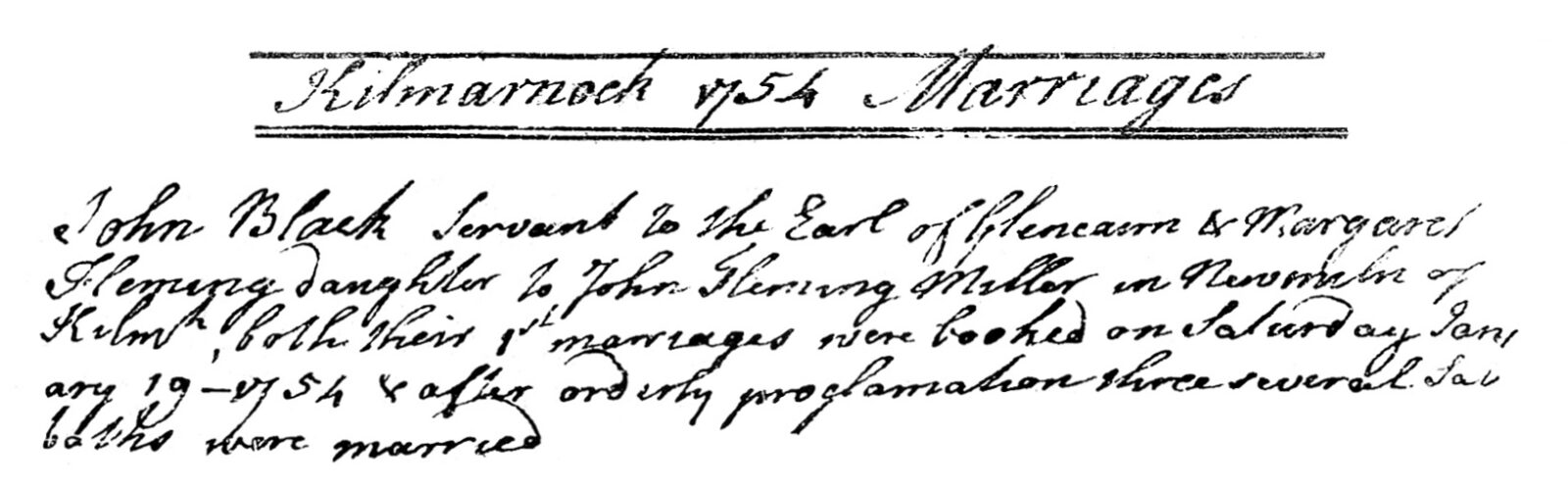
Margaret’s older sister, Eliza Black, ‘Braw Betty‘ was one of Rabbie Burn’s ‘Mauchline Belles’. You can read about her story here. Given his deeply held Christian principles it is likely that David Rutherford did not approve of his sister-in-law’s past behaviour.
David Rutherford and Margaret Black enjoyed a long life together as a married couple, living in Keirfield in what was known as the Manager’s House [marked in red in the 1830 map below]:
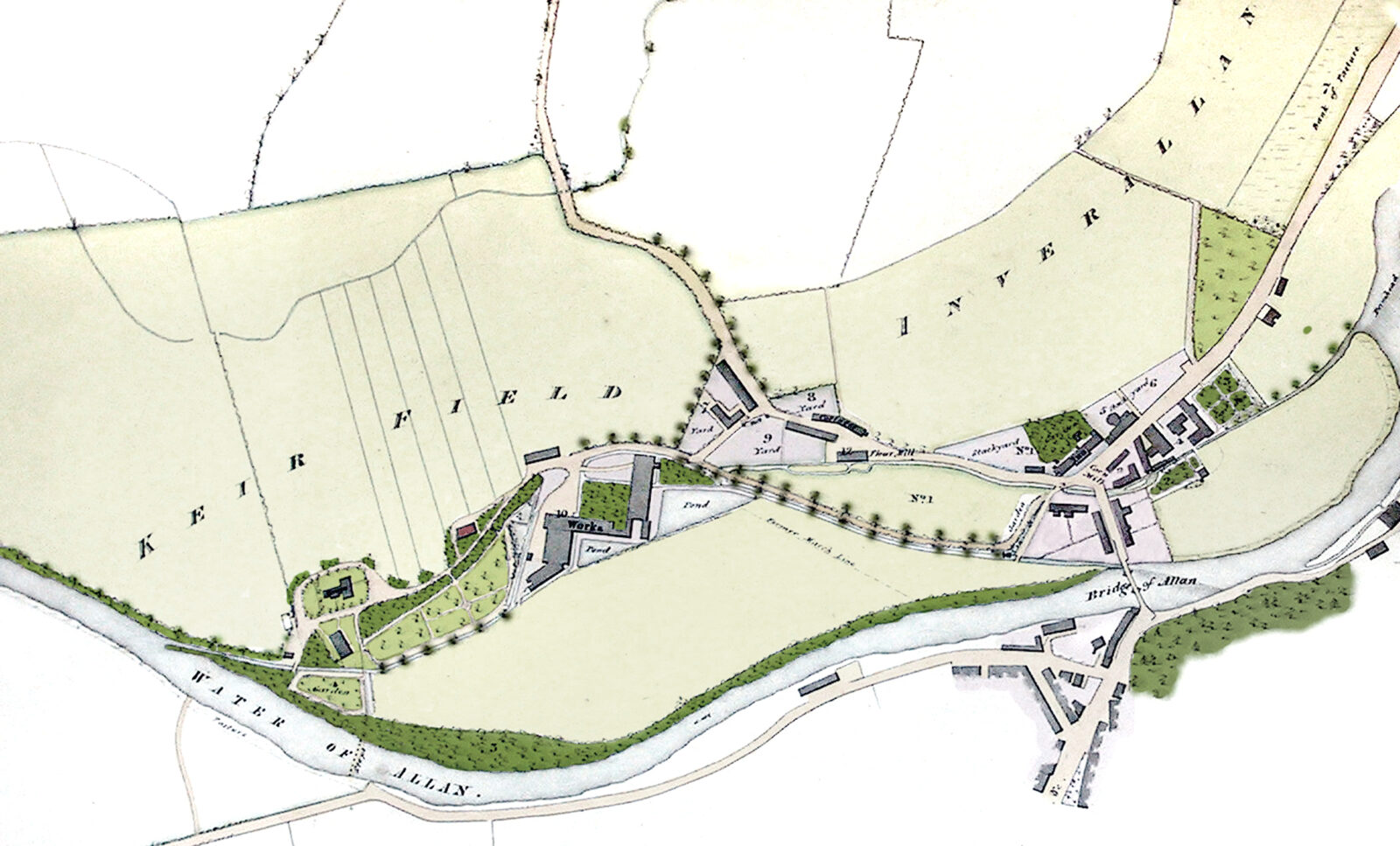
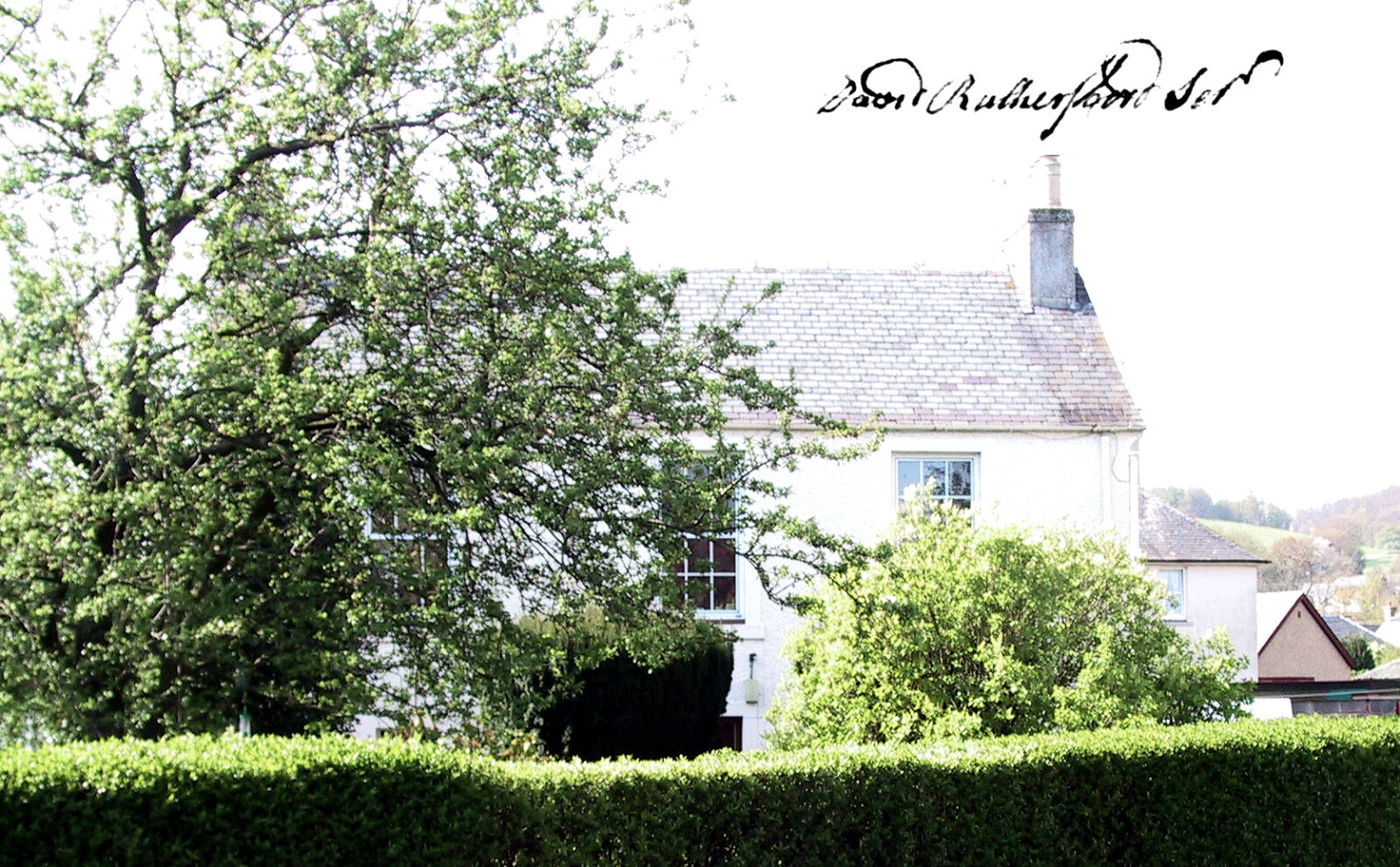
David Rutherford was Manager for Neil McVicar Esquire. Running the Keirfield Bleach Works. The only building of this period, that survives today, is the Manager’s House, where the Rutherford family lived:
In late January 1796, David Rutherford’s mother died, and he raised a tombstone in old Lecropt Churchyard [Kirk Session records]:

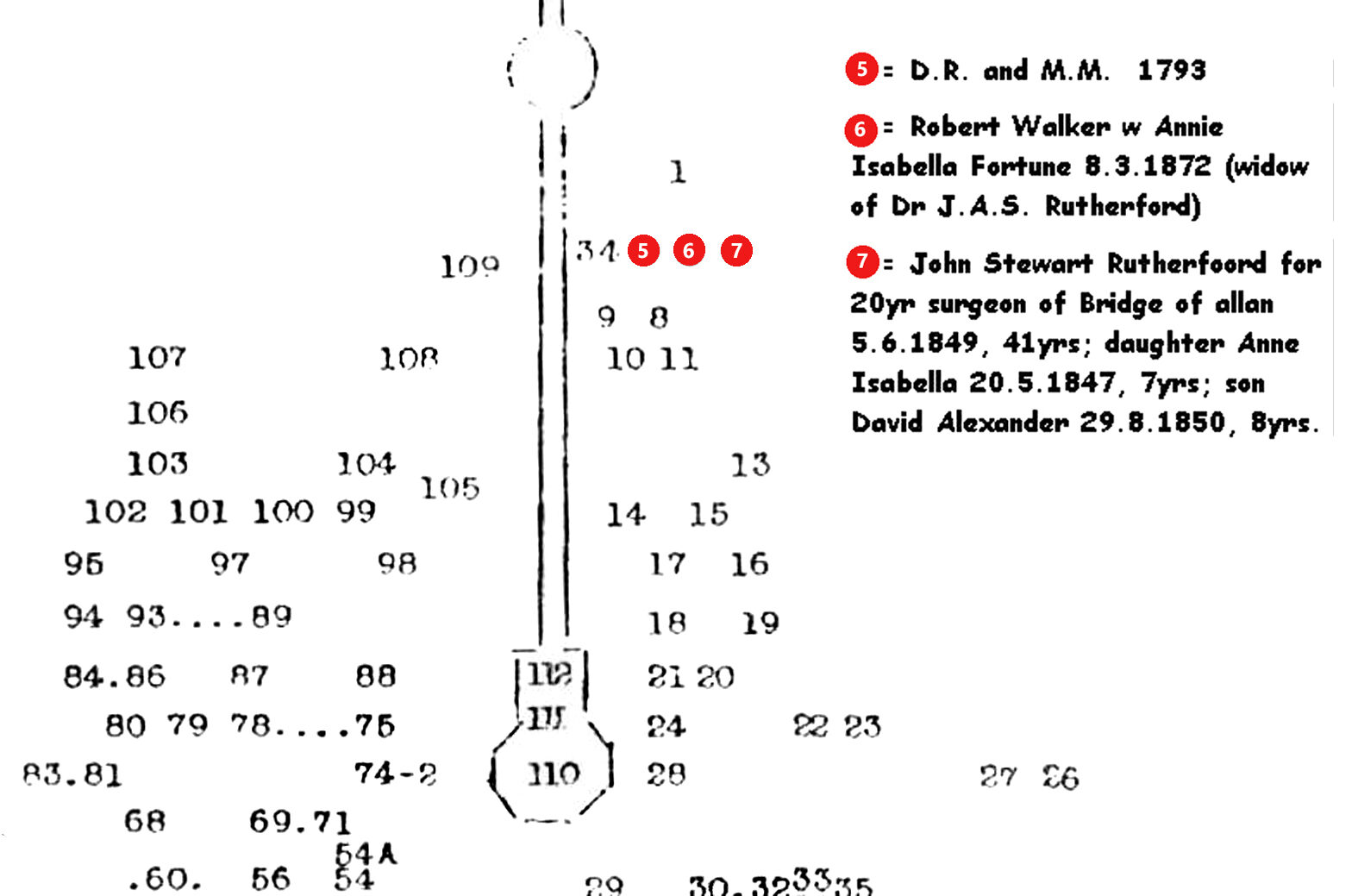
The tombstone, though now most faded, still stands today. It simply reads: D.R. and M.M. 1796
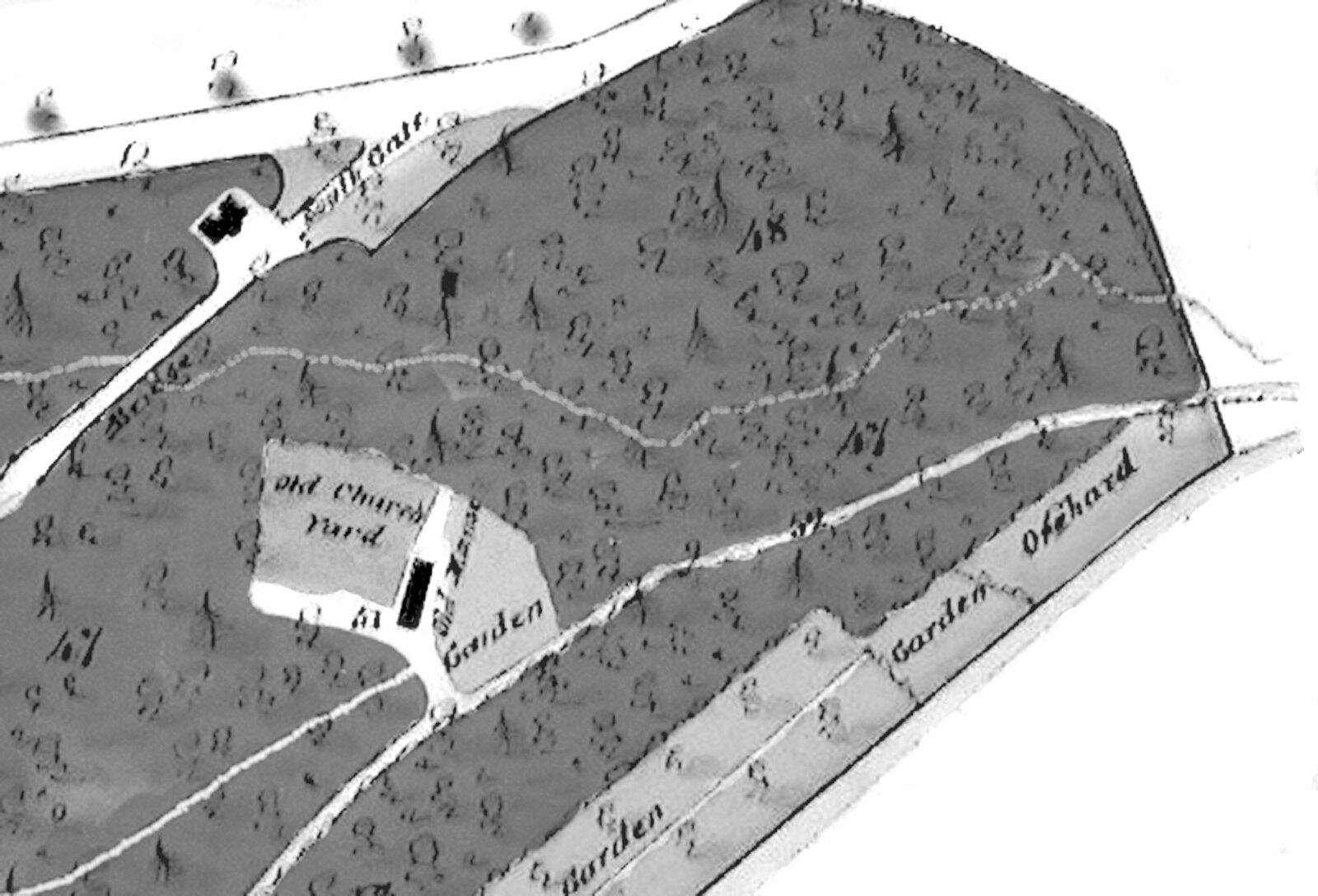
In the time of the Rutherford family, the original old Lecropt Church still stood [it was removed entirely in the late 1820s]. This map was draw shortly after the church was removed but the manse still survived:
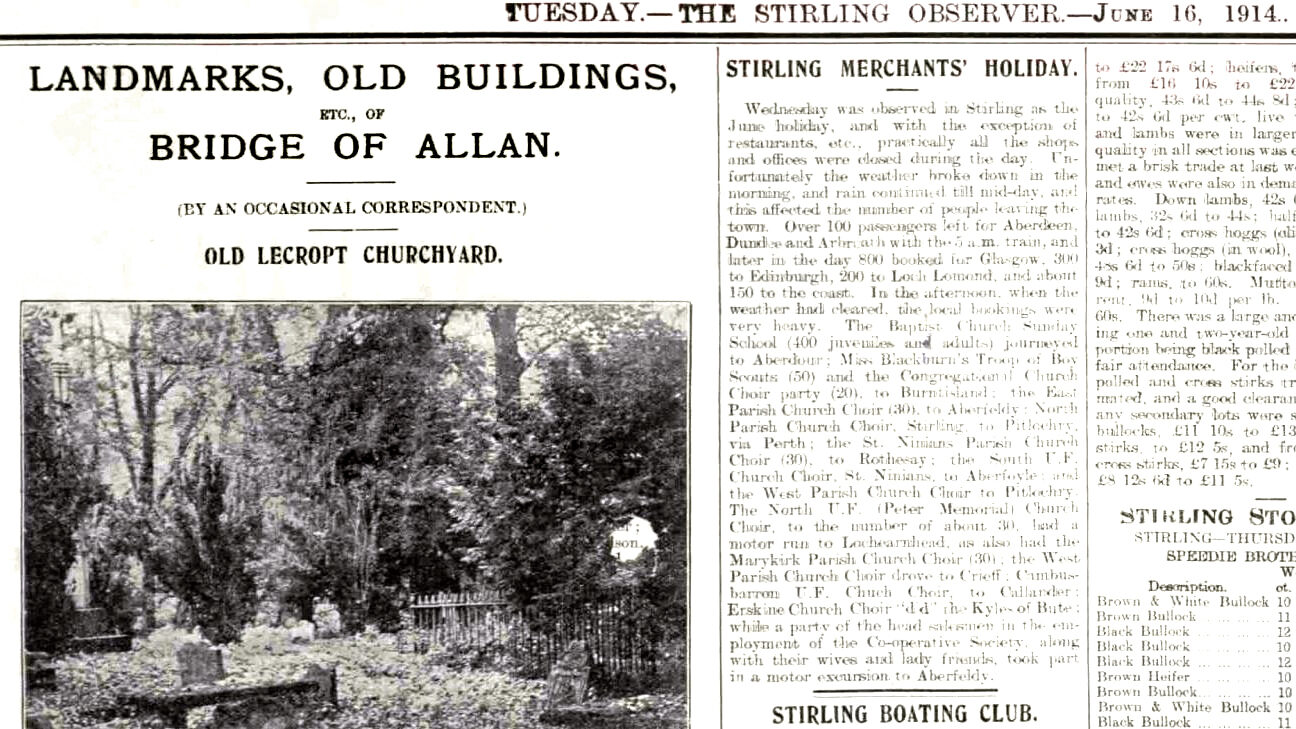
The tombstones in old Lecropt Churchyard are all that survives of this old place, which was once a small village.
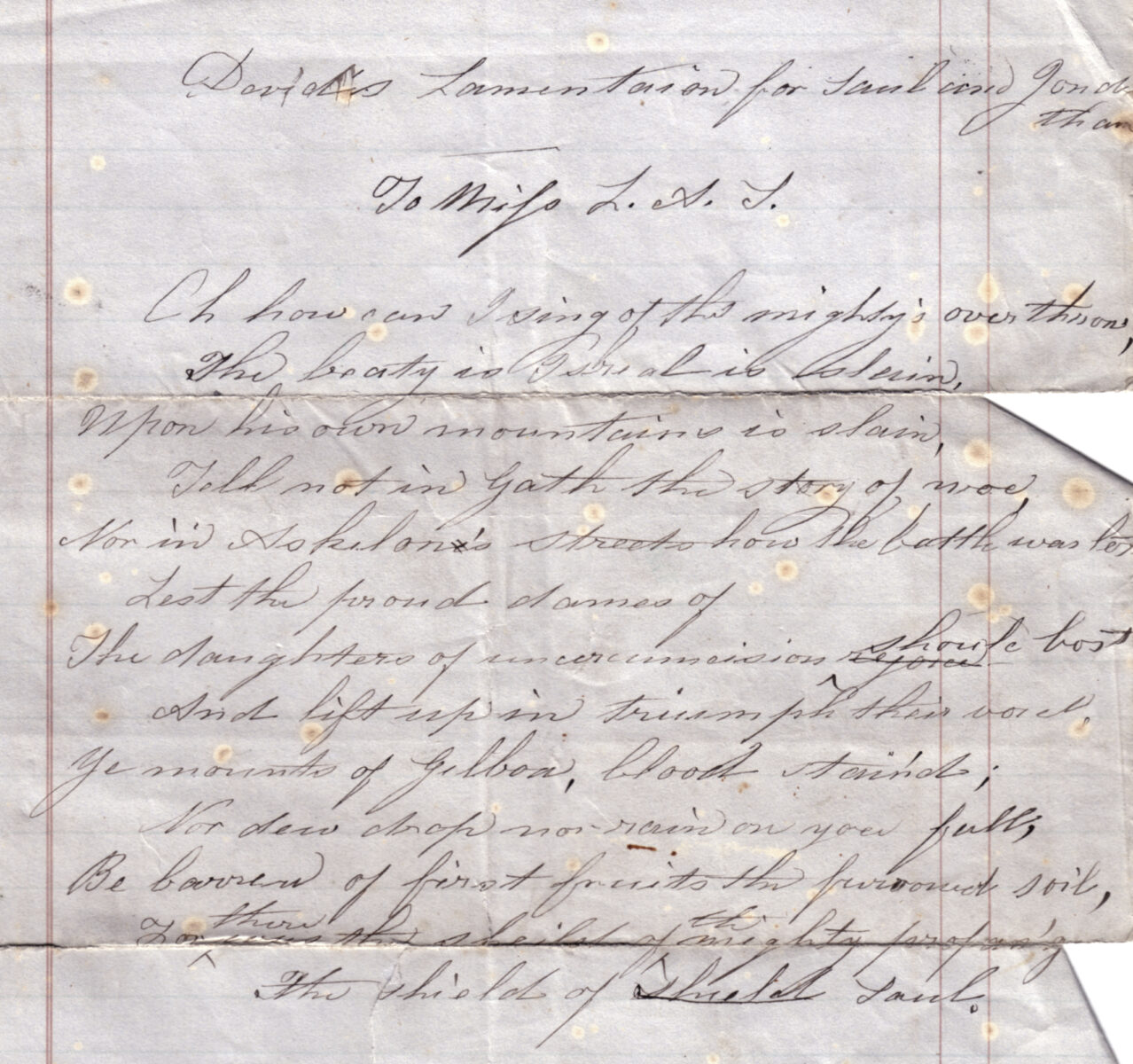
Some of David Rutherford’s writings survive, such as this poem:
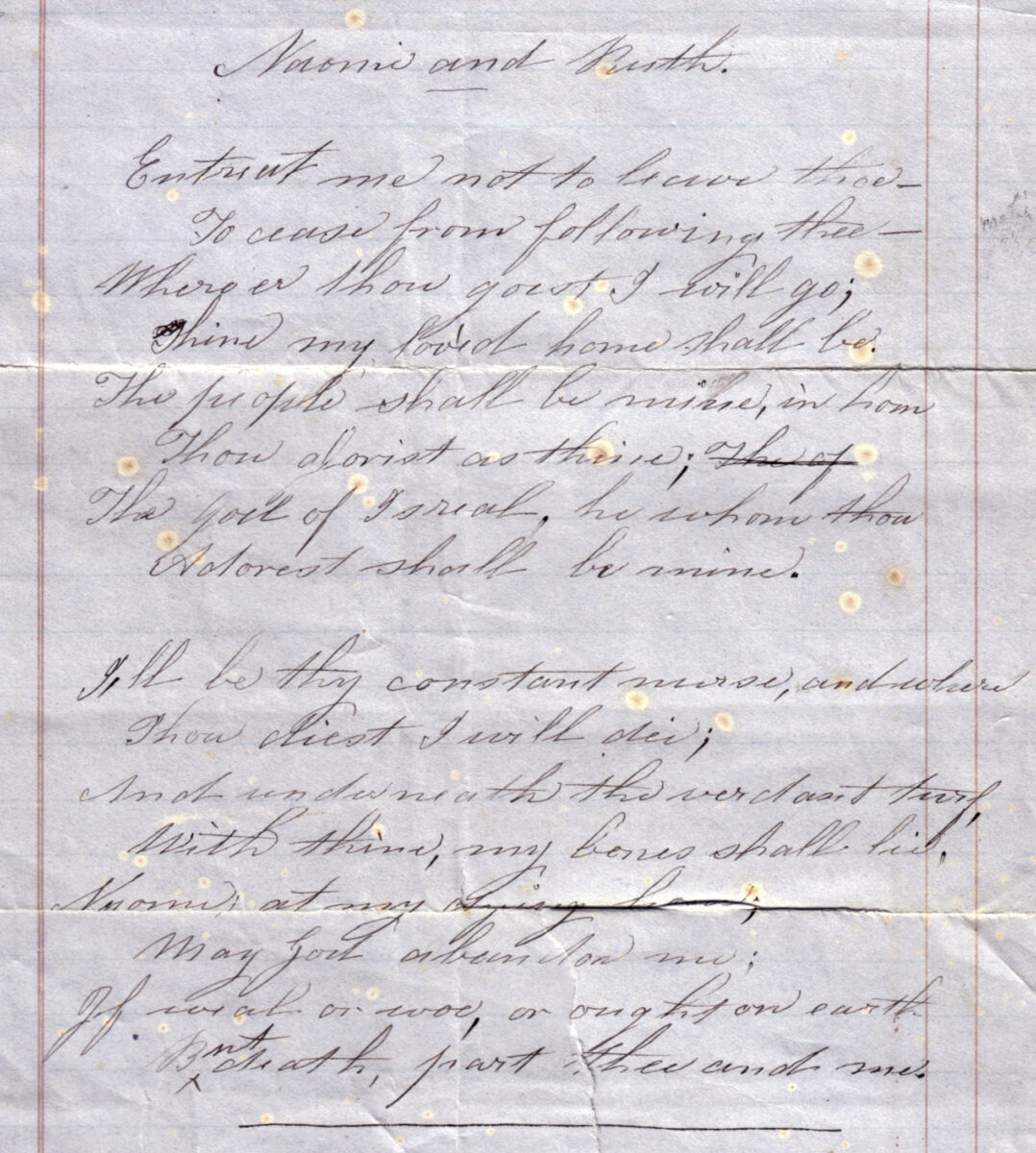
Another poem by David Rutherford:
Psalms written by David Rutherford:
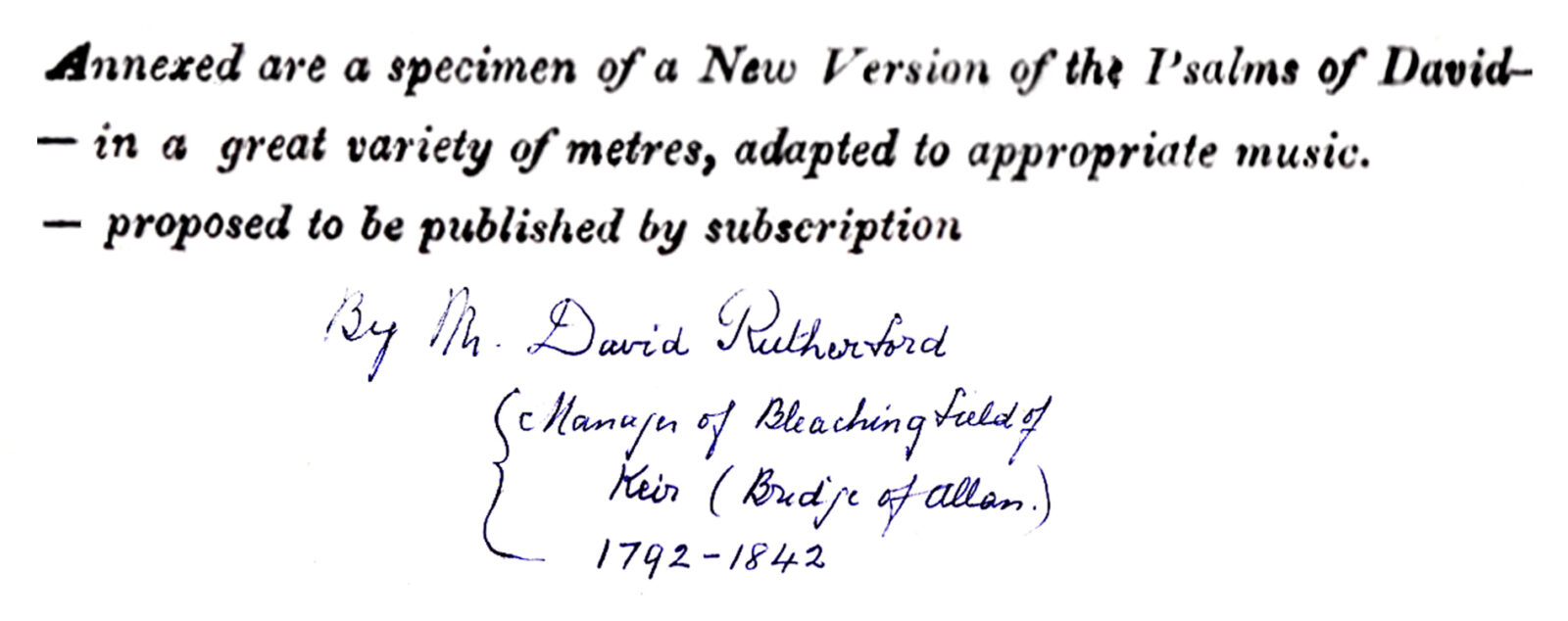
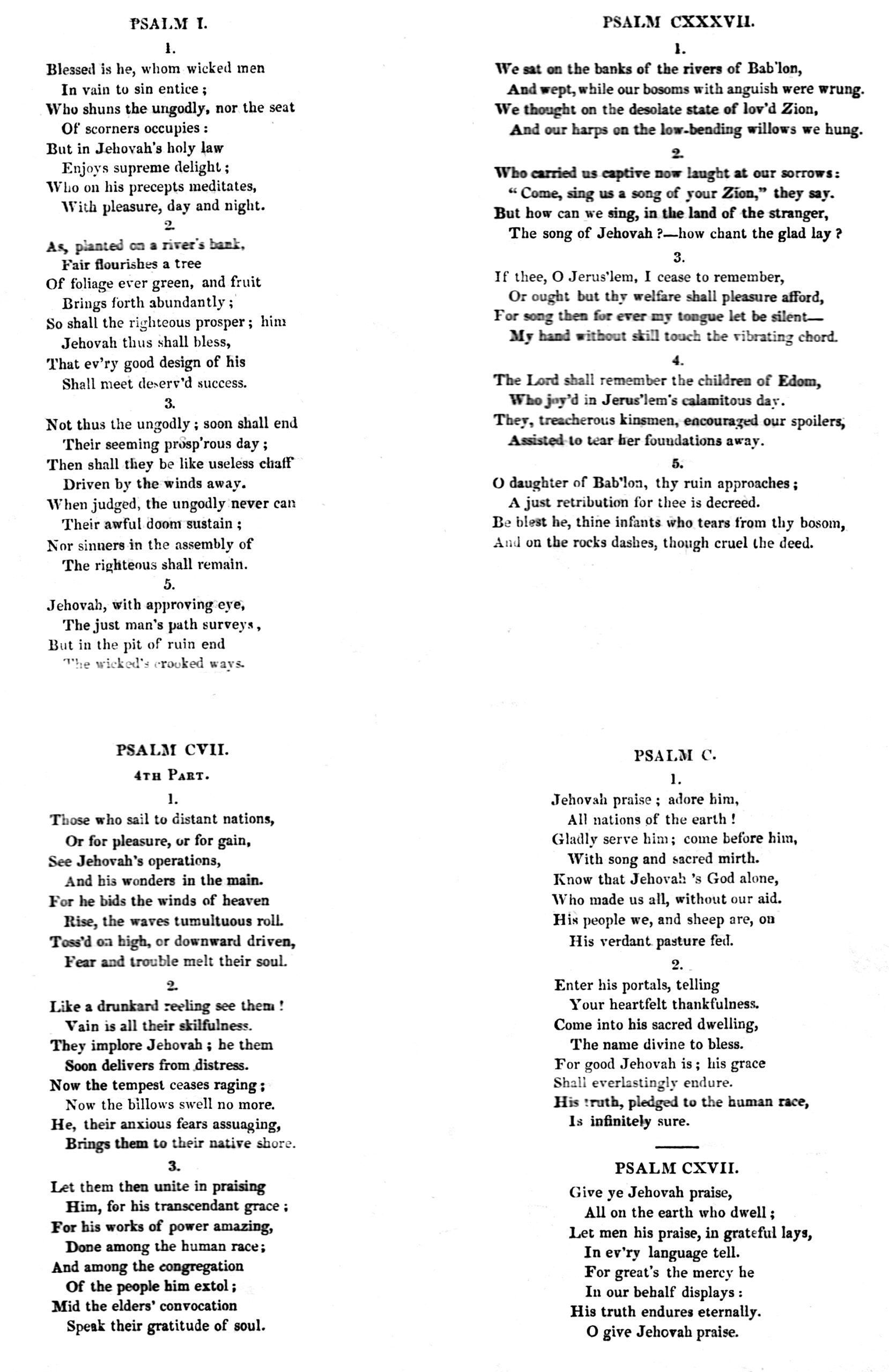

David Rutherford and Margaret Black had 12 children, though three of their children died in childhhood.
One of their daughters, Susannah Rutherford, stitched this sampler in 1813:
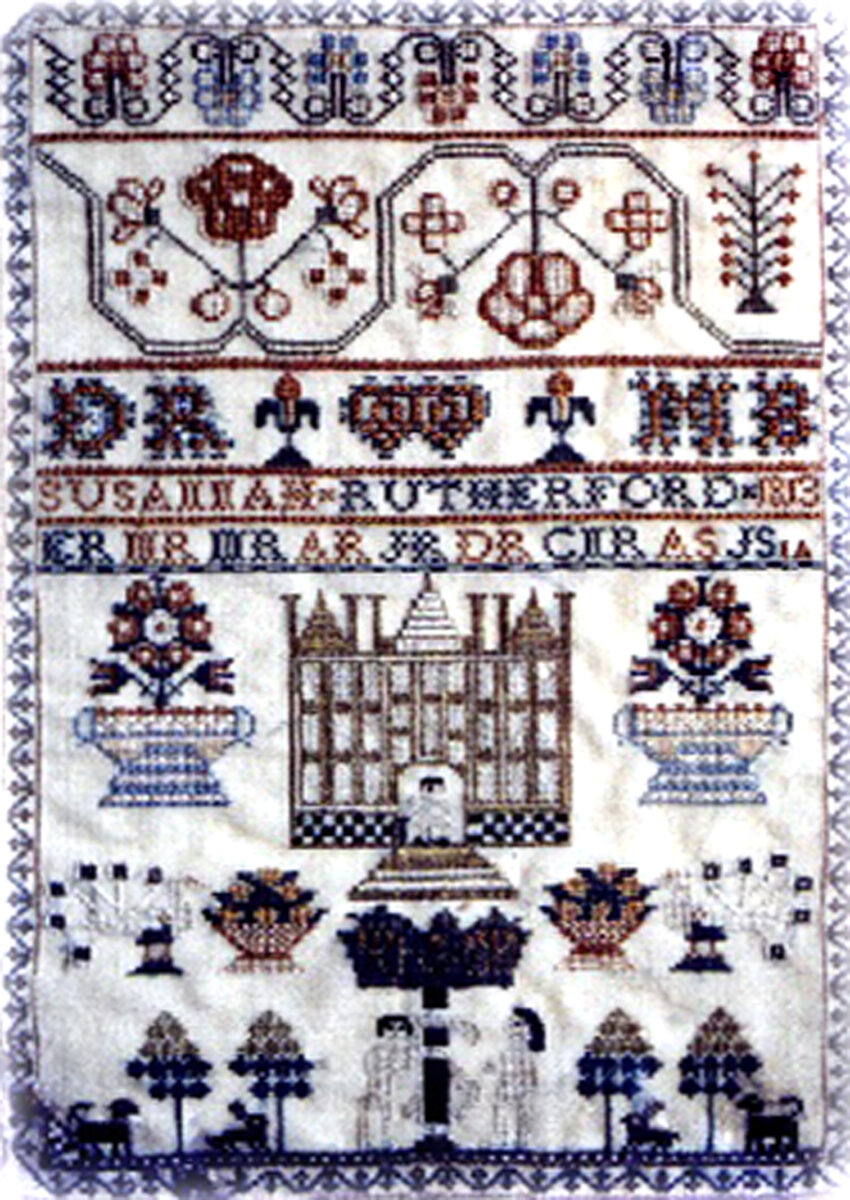
Letters, to and from, Susannah Rutherfoord survive covering a period of about twenty years. This includes a letter sent to her by her father when she had failed to return home:
Keirfield 15th September 1831
Dear Susan,
I had a letter today from Mr Hay attempting to excuse you from not coming home the lateness of the steam boat however can be no excuse as it arrived at Stirling shore between 5 and 6 o’clock but though later you would have had your sister’s house to come to. I would rather you had been some time in Boness where Mr Boags family would have made you very welcome. Both he and his daughter have written about you and will think it strange that you have not visited them. Your mother has by far too much to do without your assistance for Mr Irvine’s family requires much attention.
D. Rutherfoord.
S
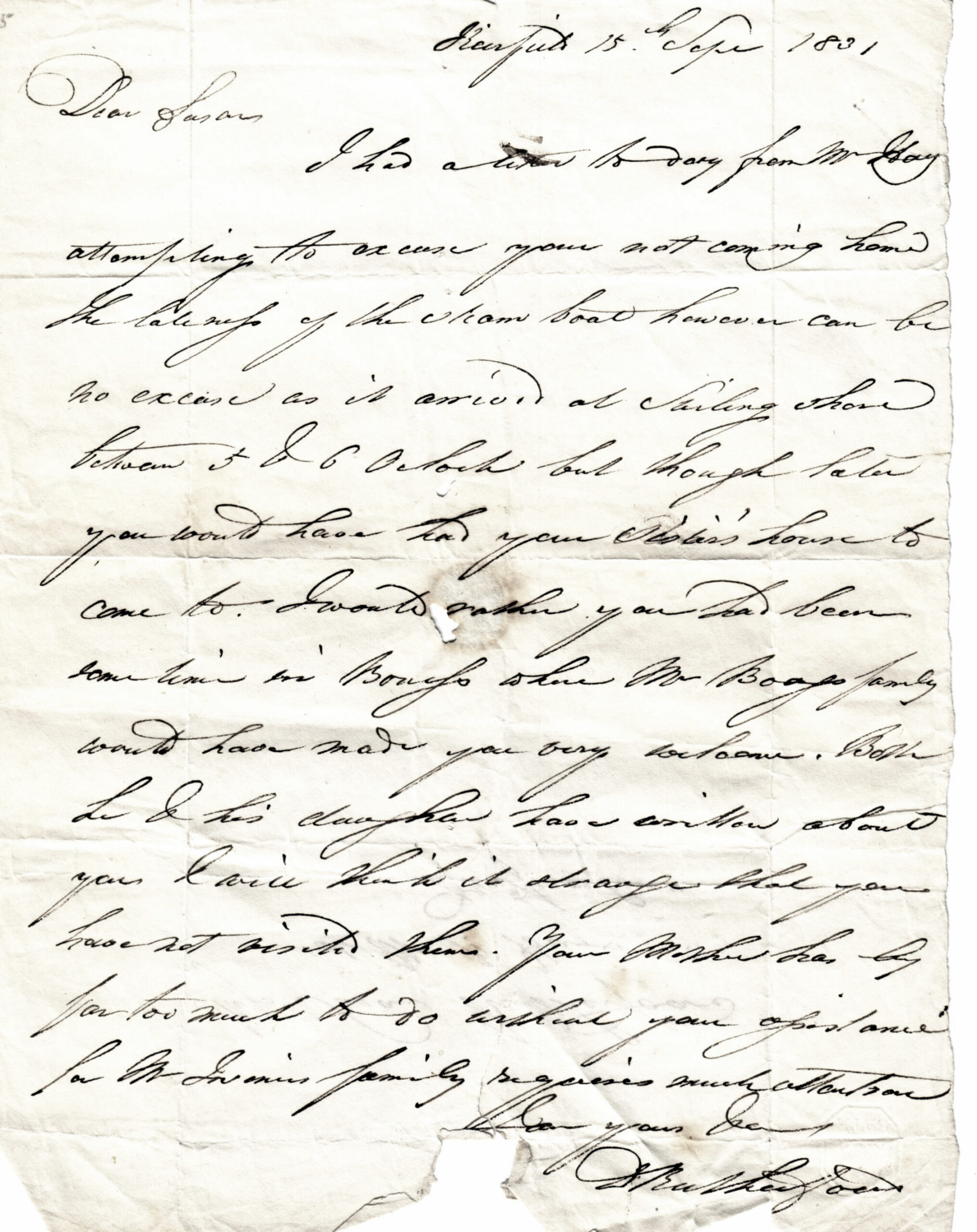
The Susannah Rutherford letters offer an insight into family life in Keirfield. This was before Bridge of Allan had become widely known place of healing due to the ‘considered’ healing properties of its mineral waters. The letters also reveal the visitations of cholera to the village. There was little understanding then of the cause of cholera and the villagers were terrified as if caught it invariably led to great suffering and death.

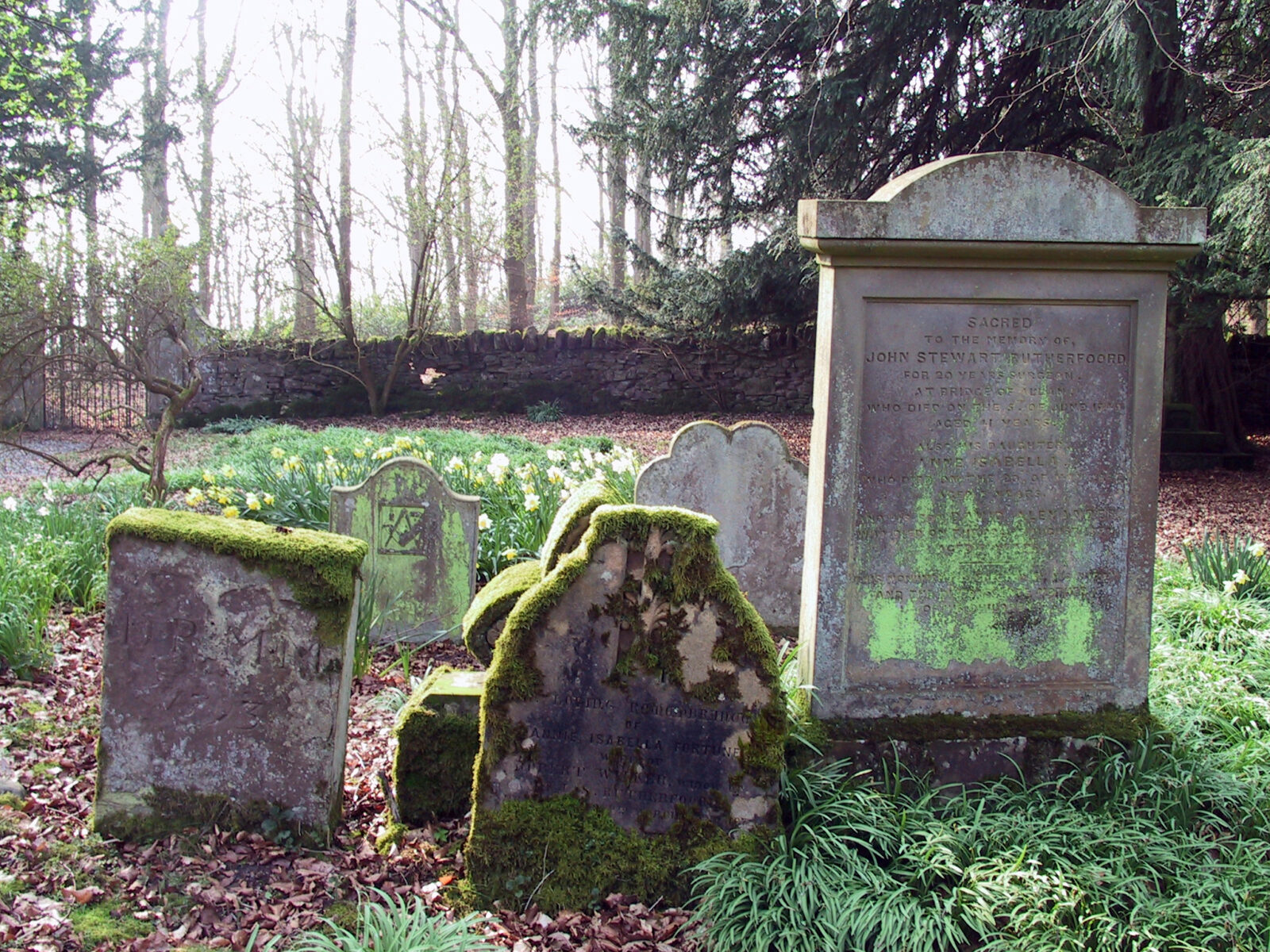
One of Susannah Rutherford’s brothers, John Stewart Rutherford, trained in Medicine and Surgery in Edinburgh, gaining his degree in 1829. His training was during the time of the infamous anatomist, Dr Robert Knox, for whom Burke and hare provided ‘fresh’ bodies. Another source of bodies for anatomical dissection was through the so-called ‘Resurrectionists’ [grave robbers]. Medical students were known to be involved in this macabre business and John Stewart Rutherford was one of those. It would seem, that to avoid any scrutiny of his ‘resurrectioning’ days, he took to the sea to be a ship’s doctor, travelling to Australia. When all had settled down he returned to Scotland and became the Doctor for Bridge of Allan. Unfortunately he also contracted cholera, and although he survived, he was left much weakened. Dying, he returned to Mauchline to be with his mother’s family. He died there in June 1849. His widow had his body returned to Bridge of Allan, and he was buried beside his parents and grandparents in old Lecropt Churchyard:
If you are interested in learning more, Lecropt and Larger Scotland, by Dr R. T. Young is well worth reading.