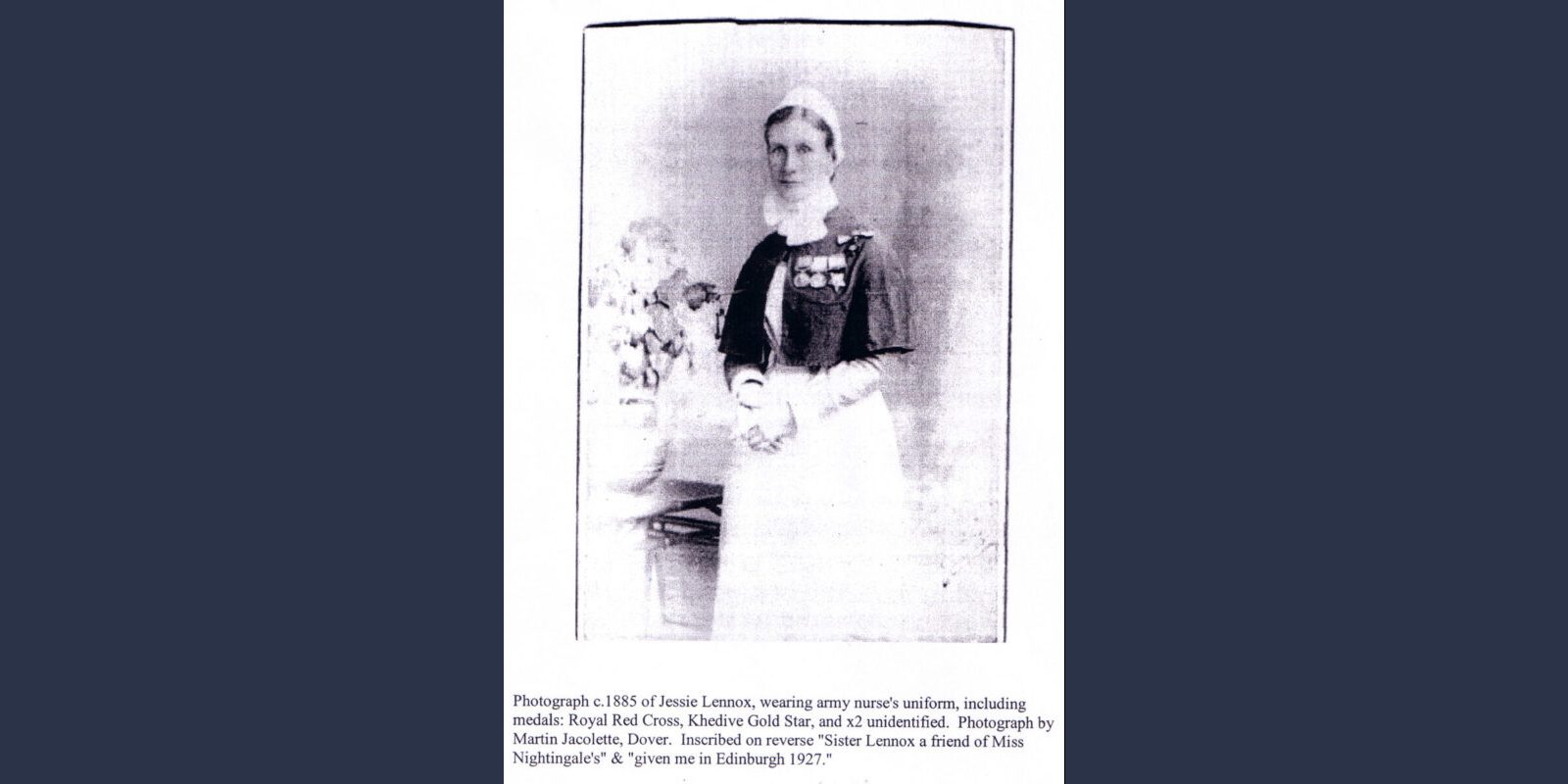
Friend of Florence Nightingale and David Livingstone
Jessie Lennox [1830-1933]:
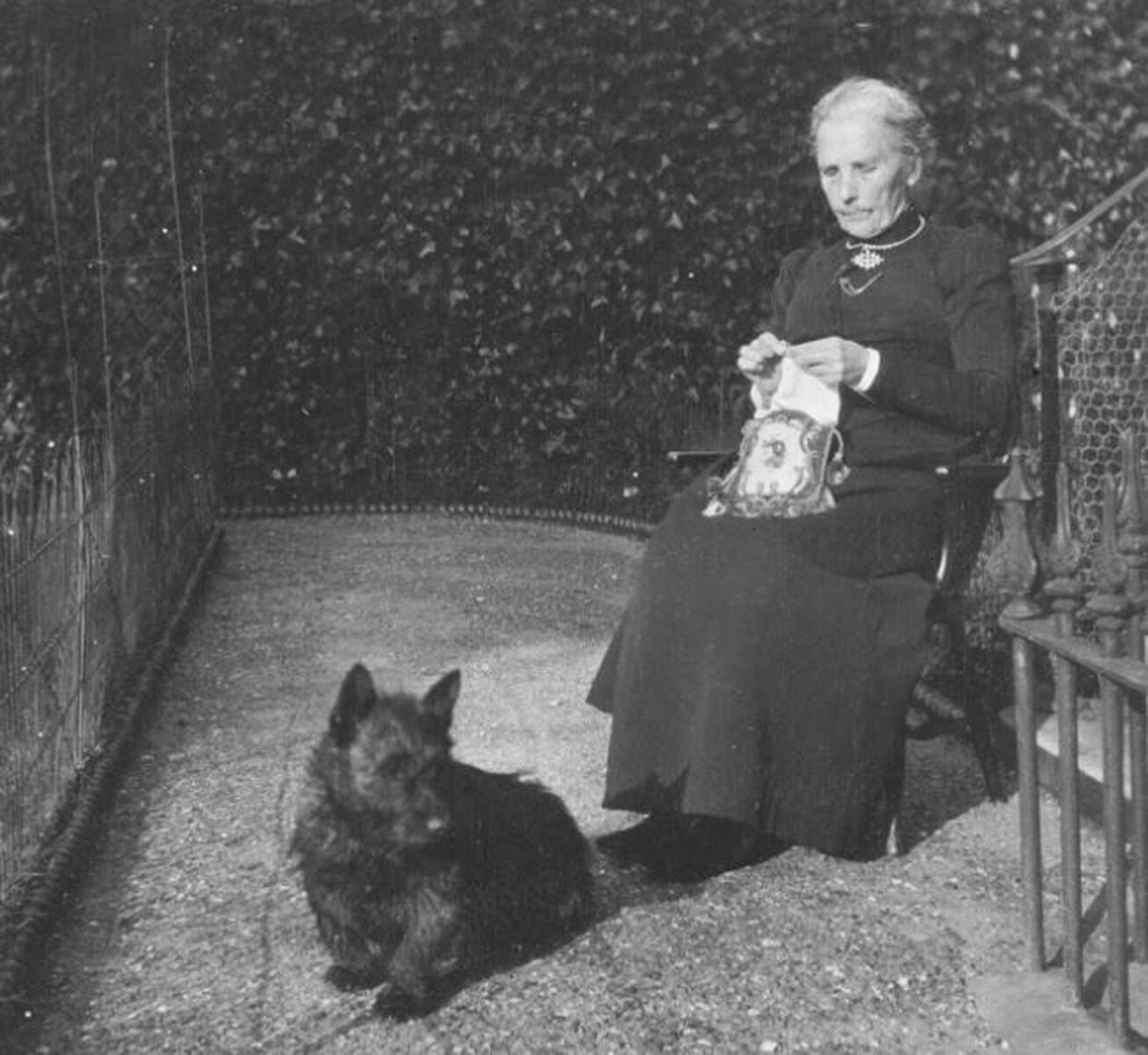
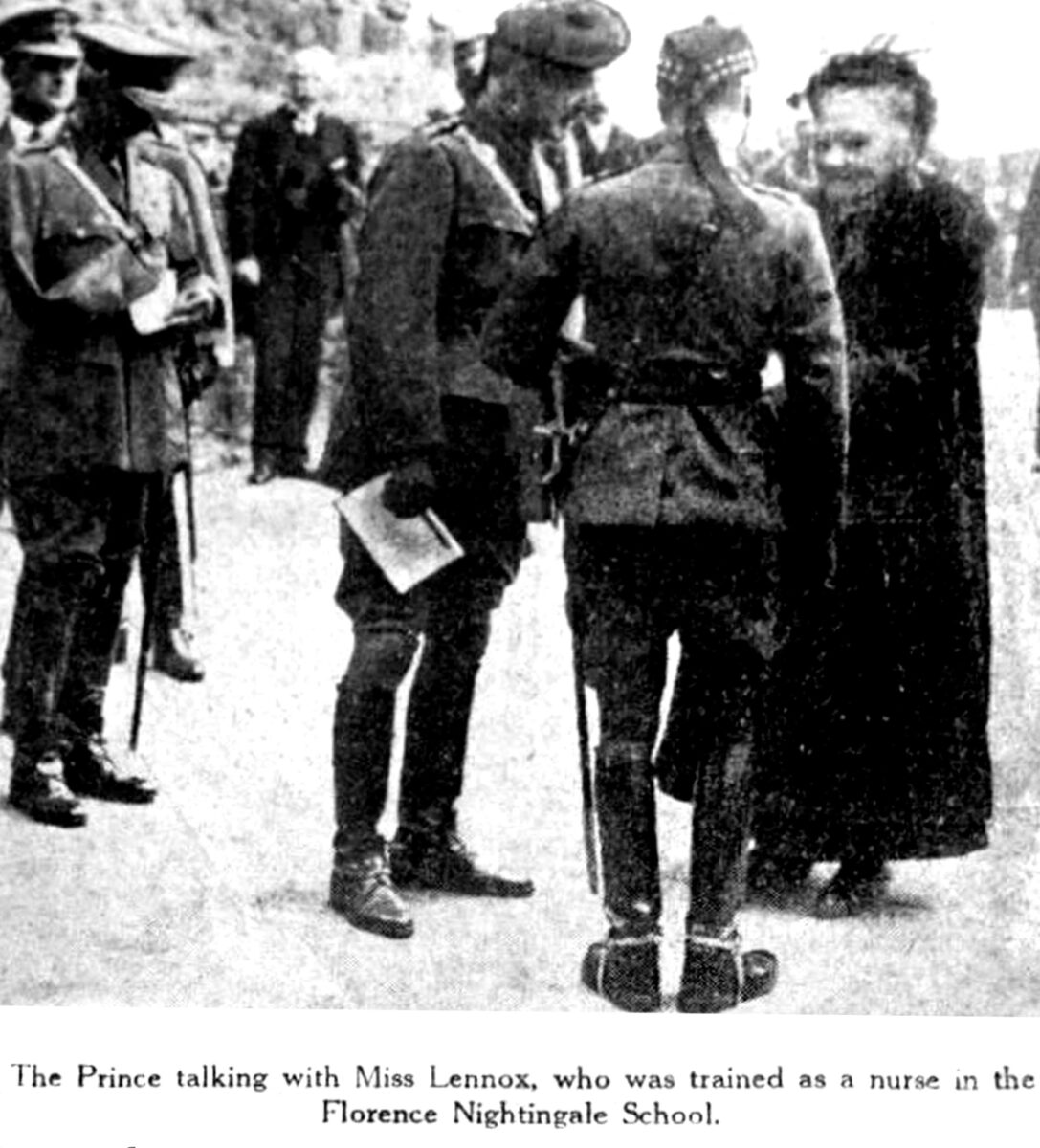
Jessie Lennox was born in Bridge of Allan in 1830. It is likely she was born in Keirfield next to Inverallan Mill. Jessie was just a child when her mother Janet Baird, and her father, Malcolm Lennox, died. Of her early life almost nothing is known, though lifelong, she kept her connections with Bridge of Allan.
This envelope was sent by Jessie Lennox to Susan Rutherford Scott [daughter of Jessie’s first cousin, Susan Baird]
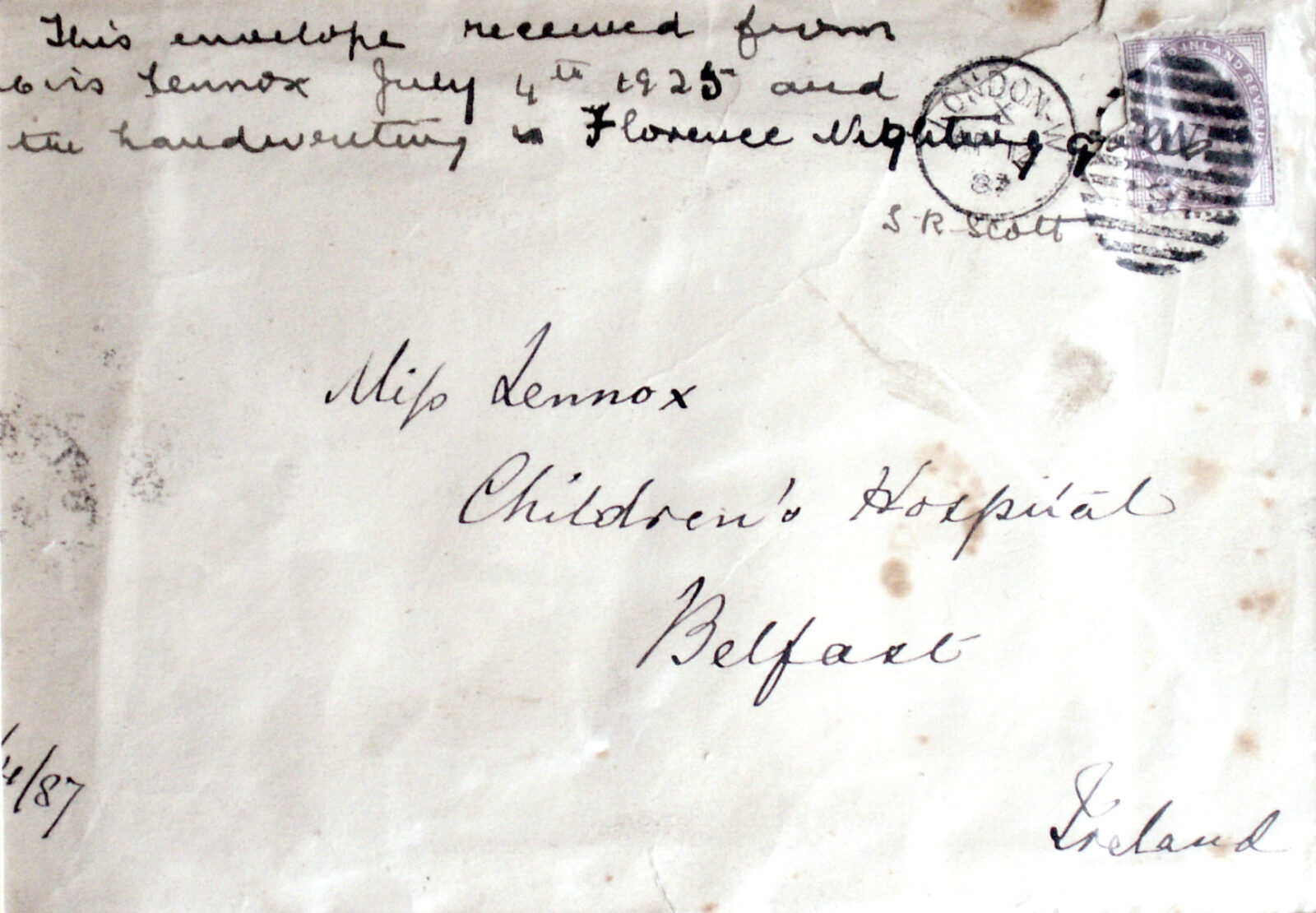
The following material relates to the extraordinary life of Jessie Lennox and has been collected by Dr Peter Scott-Gordon:

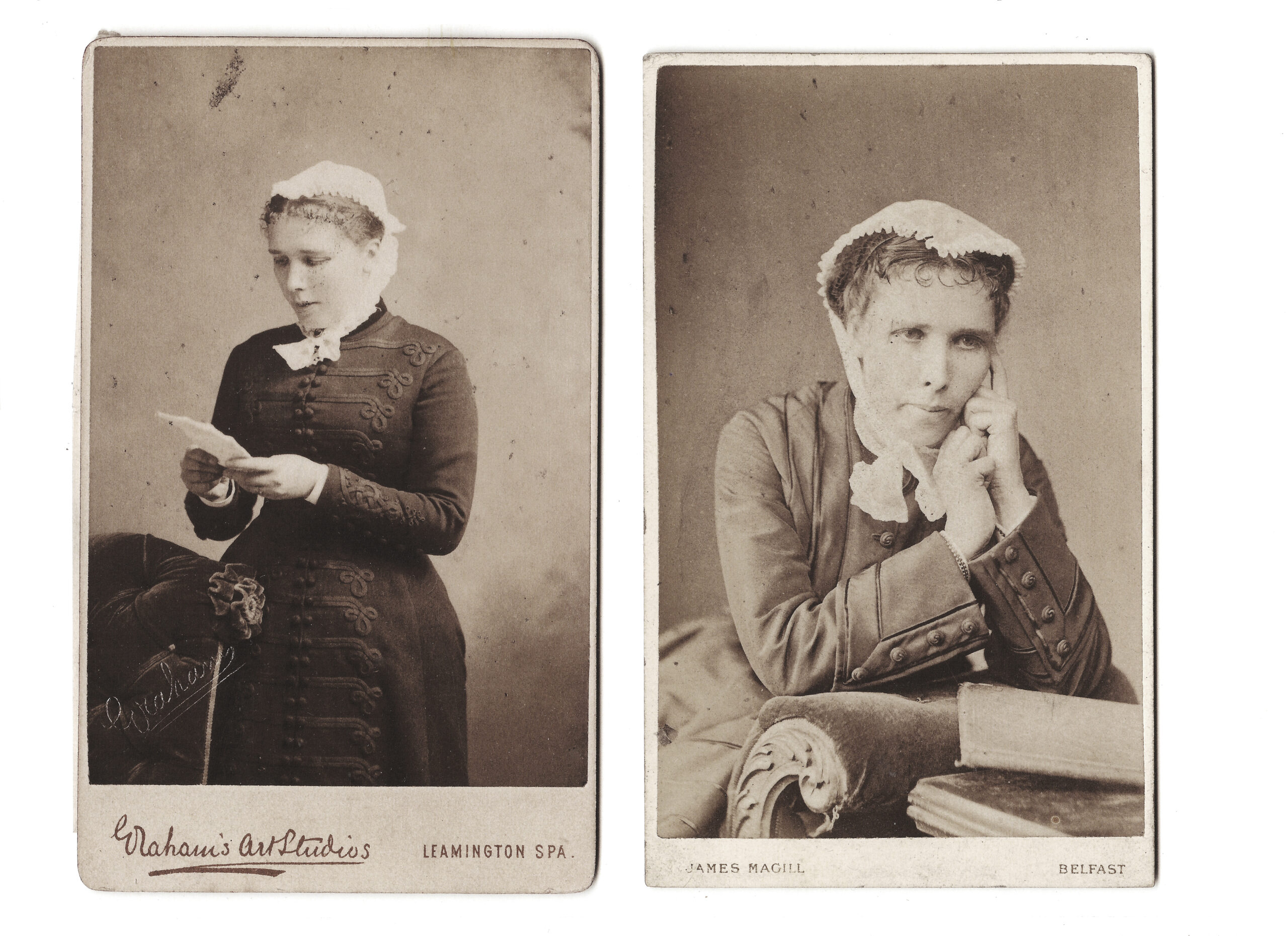

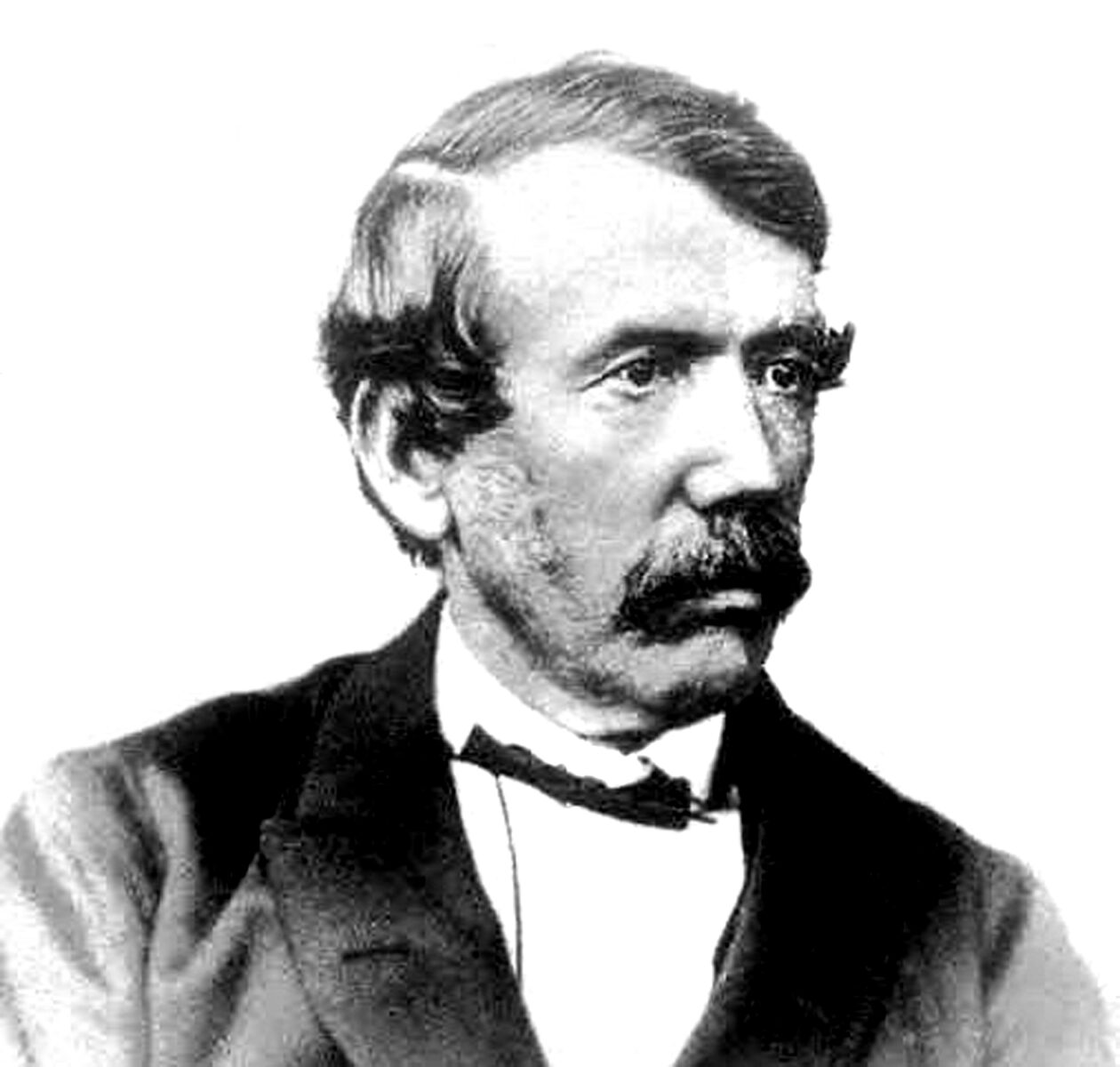


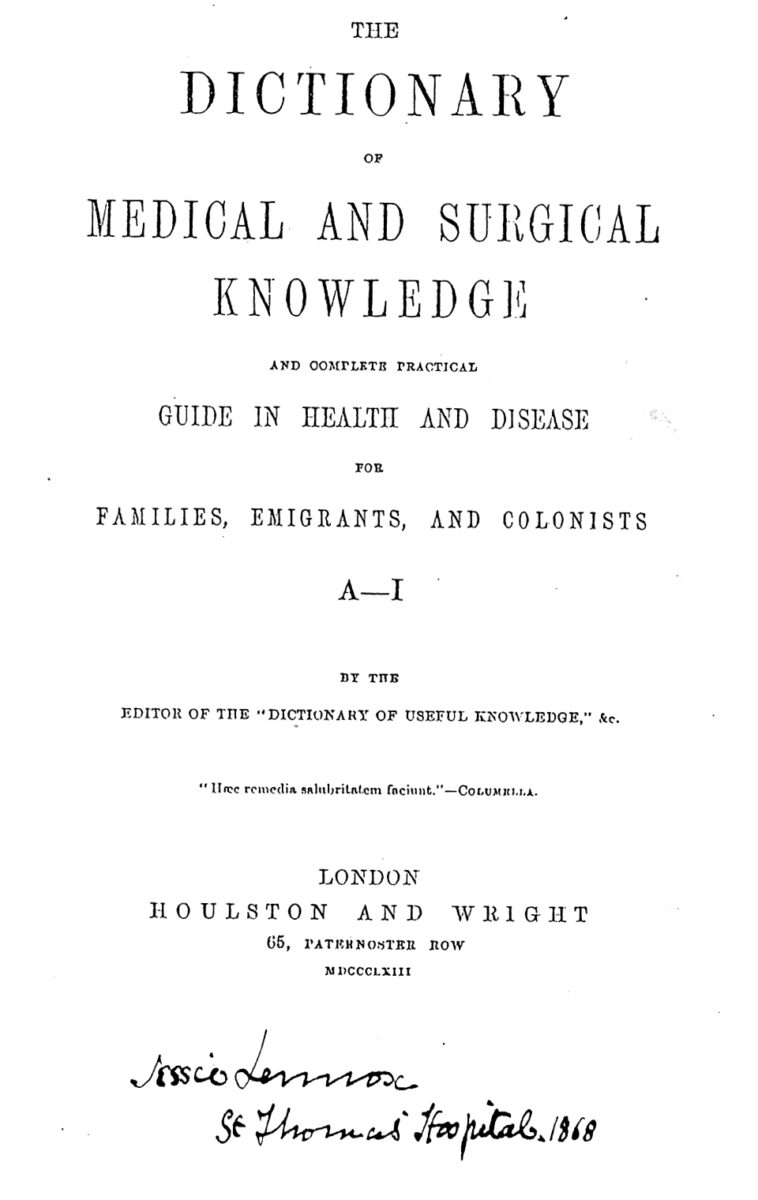

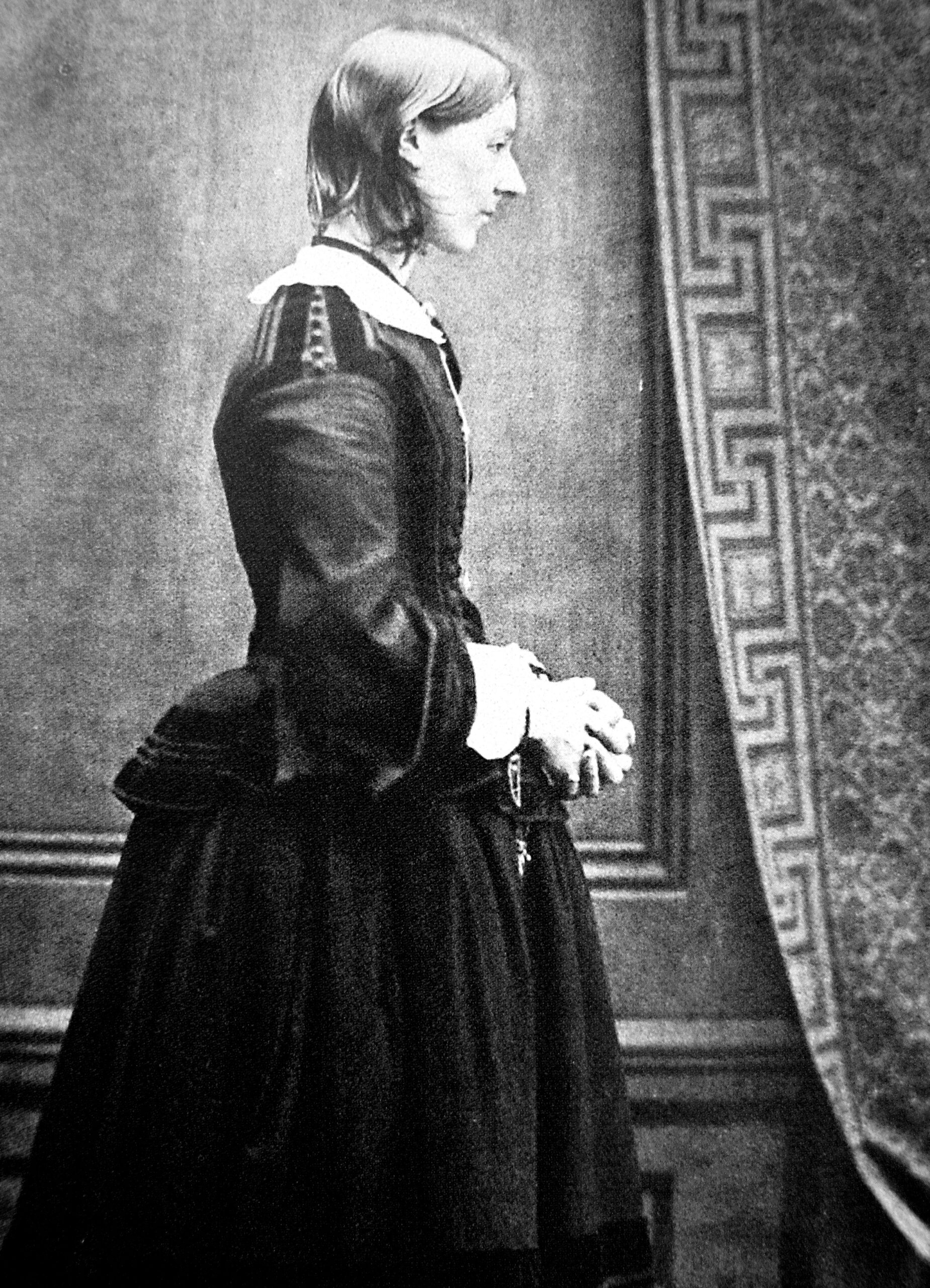
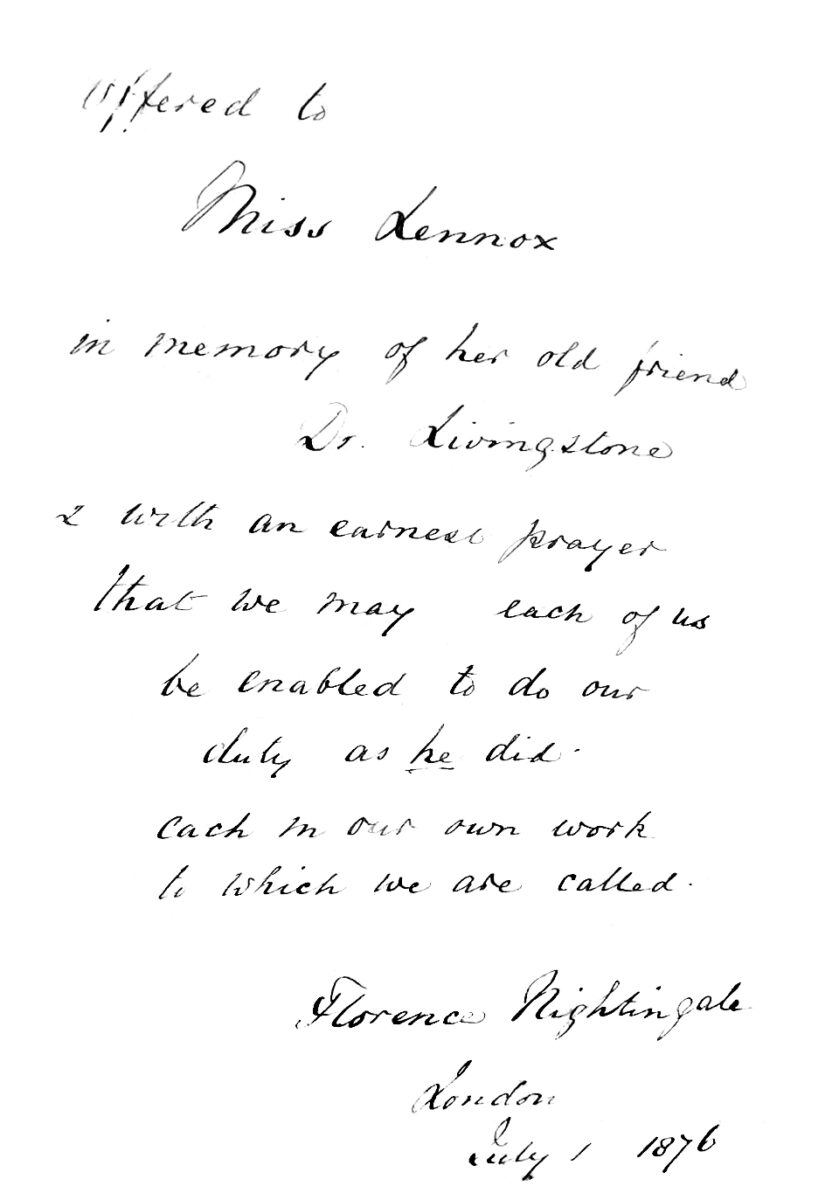

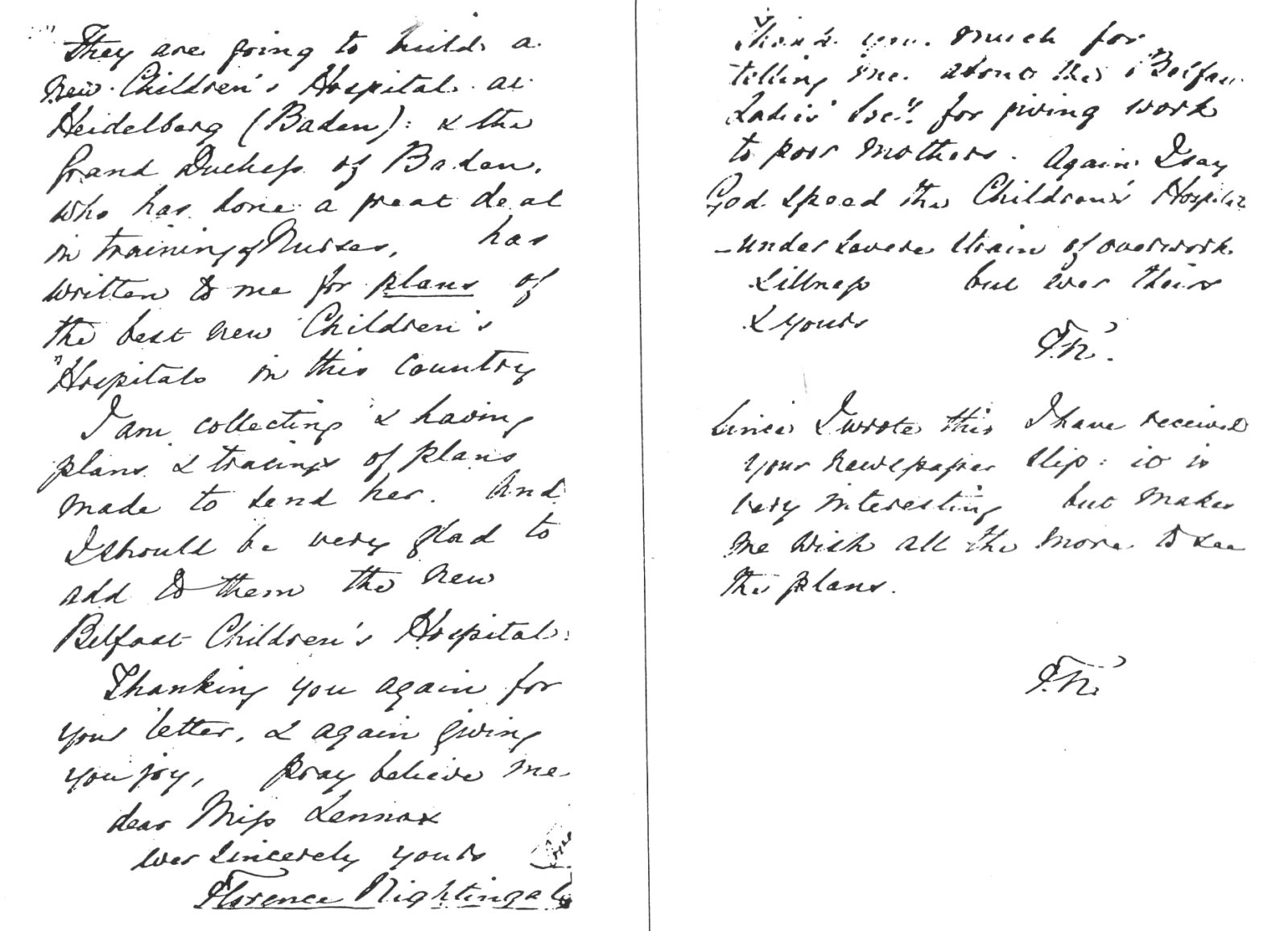
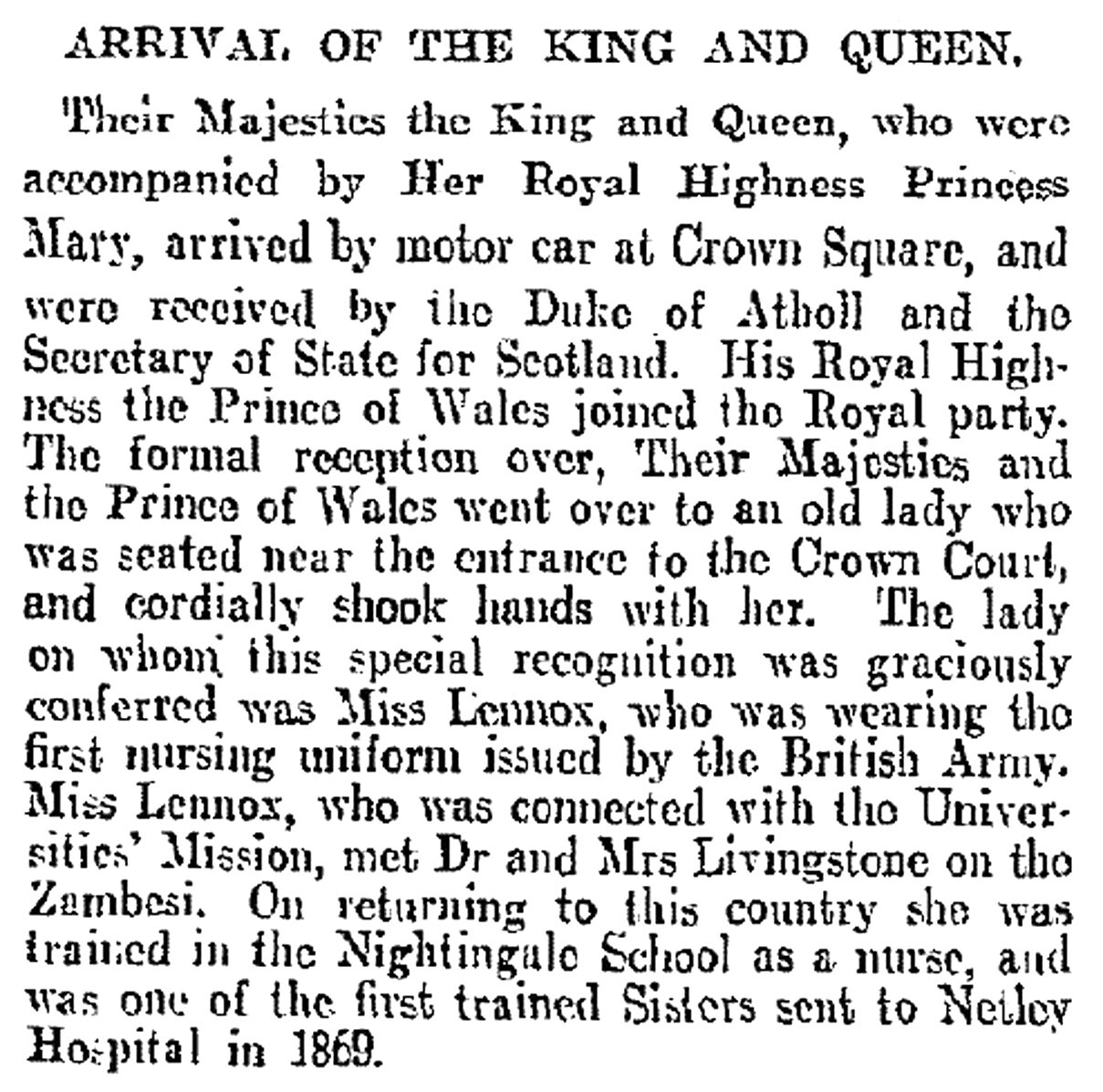
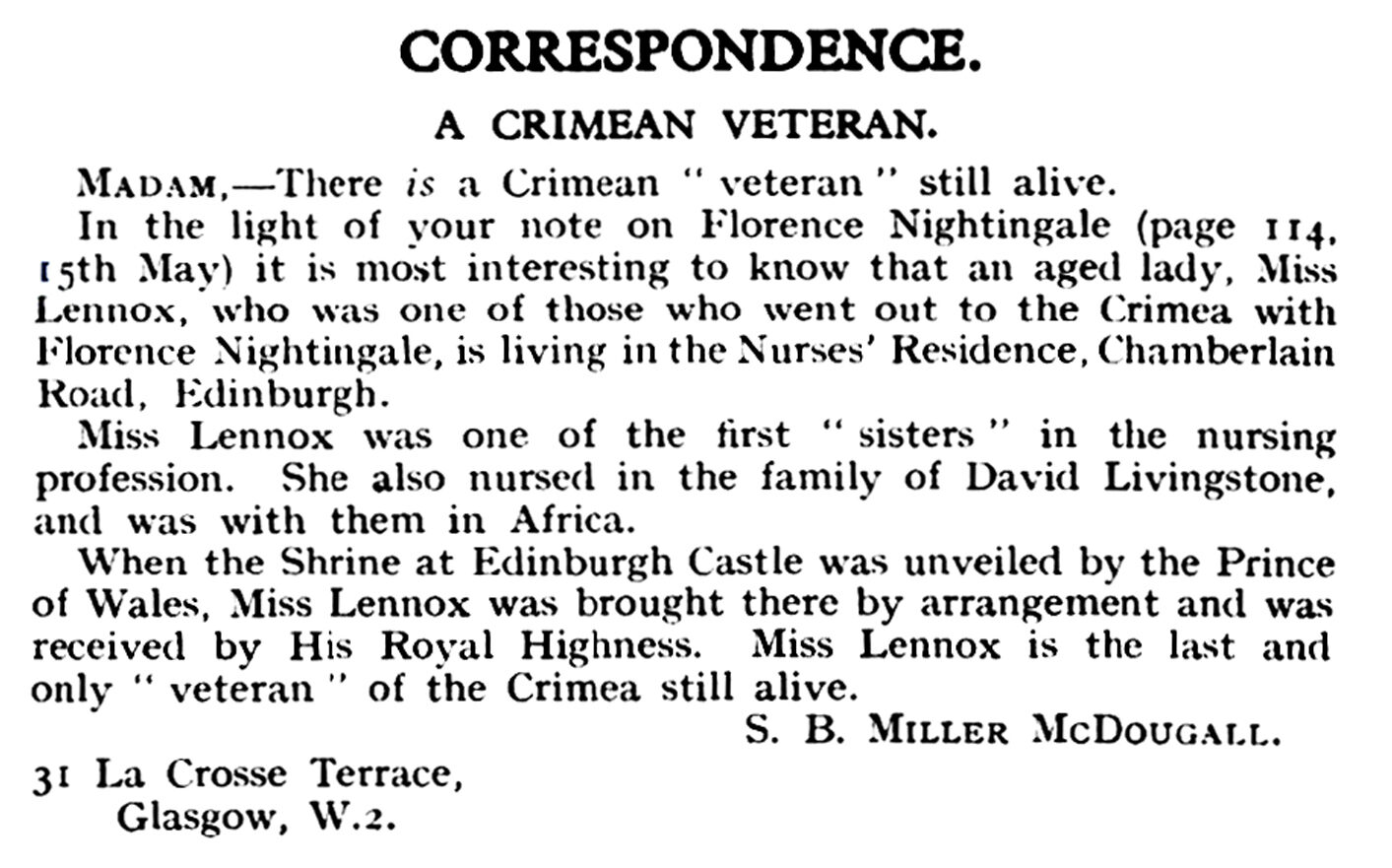
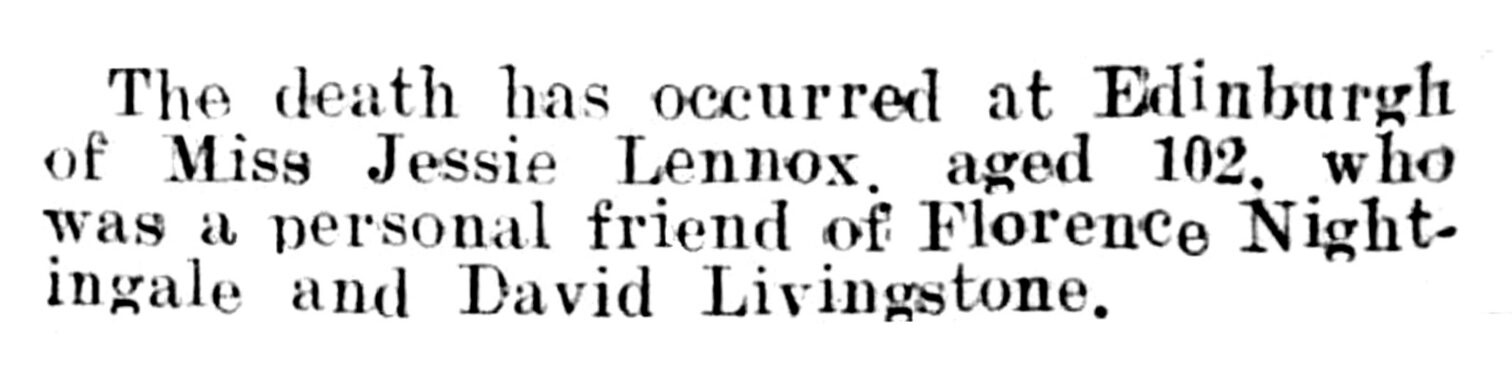
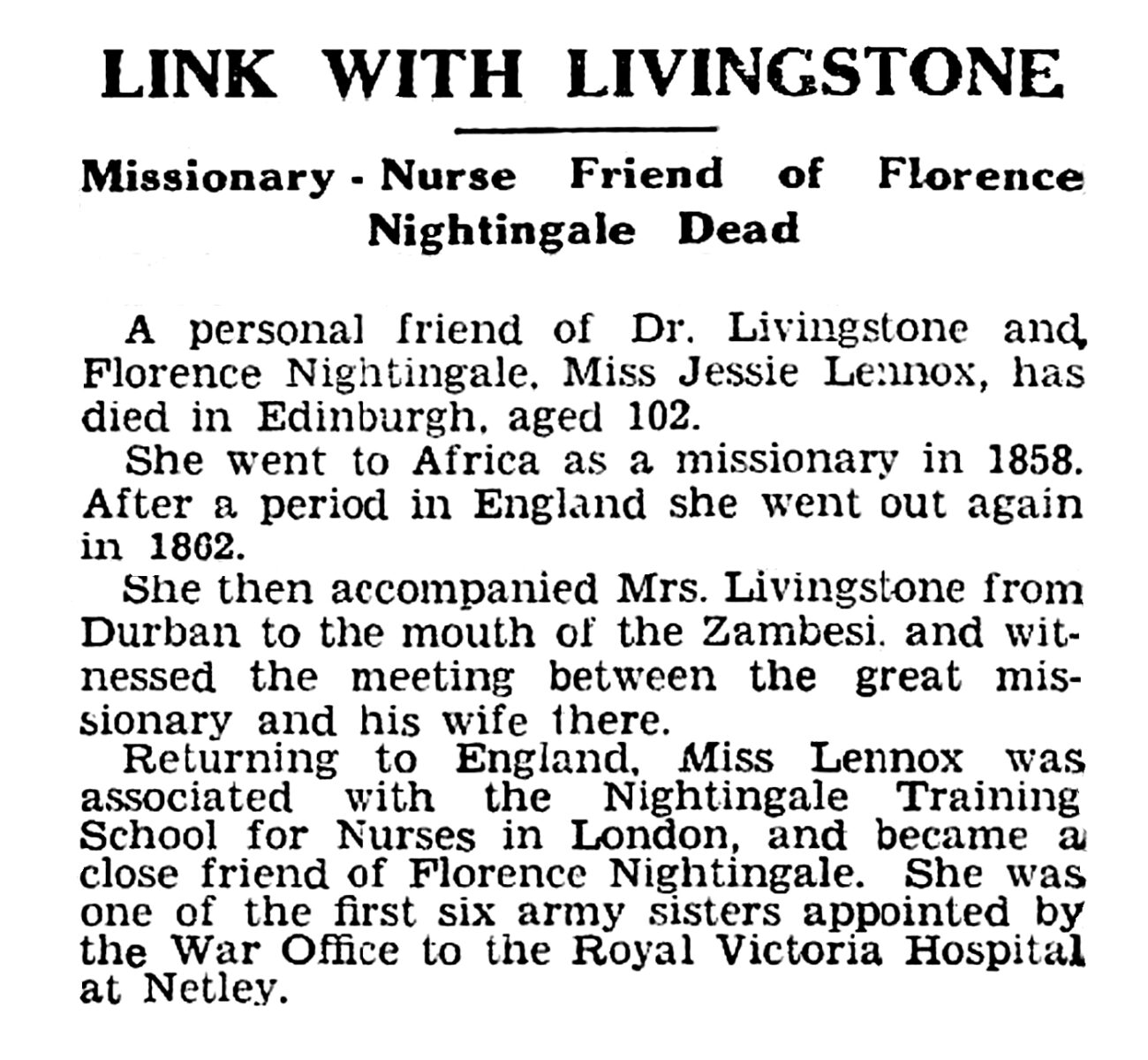
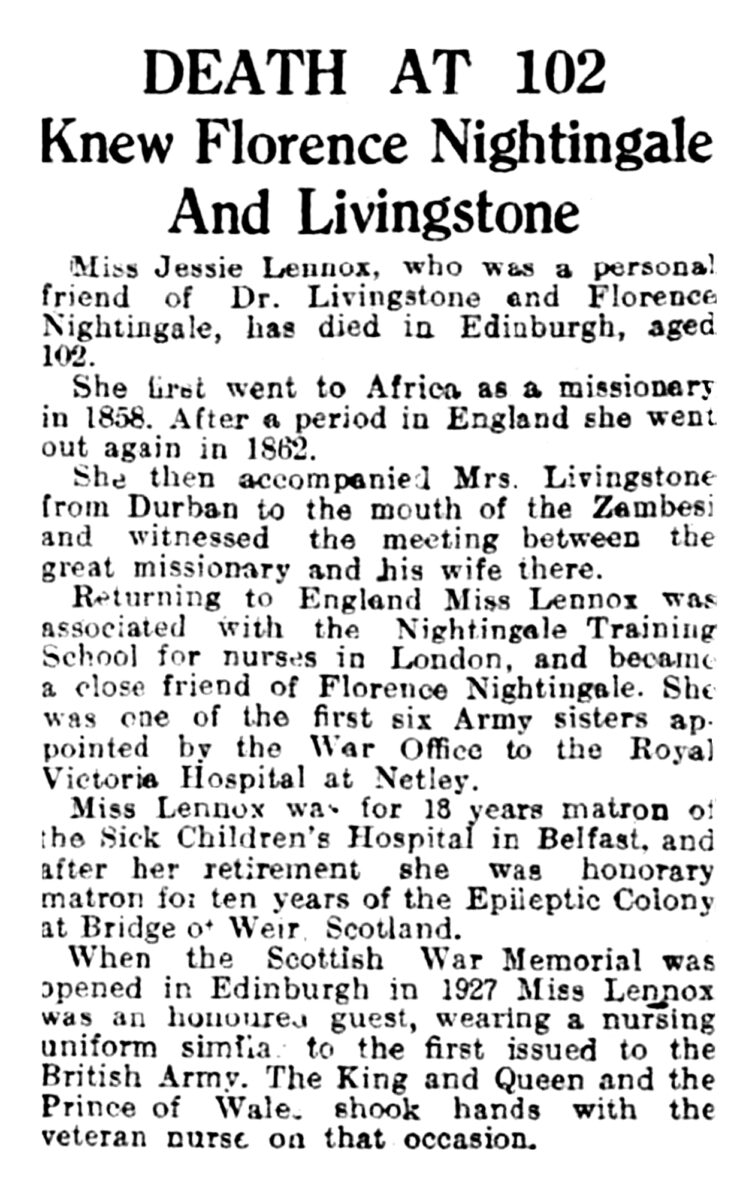
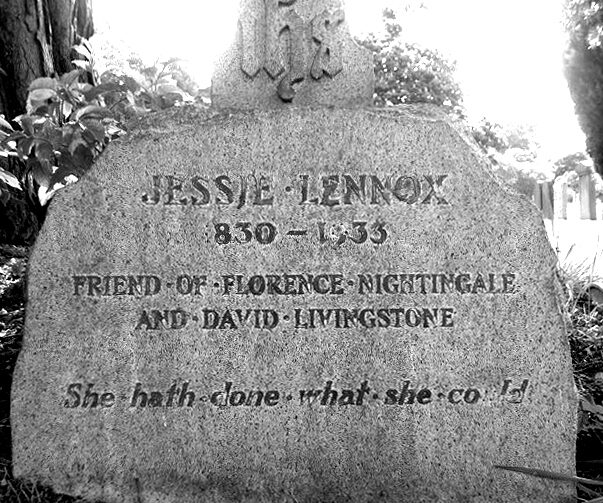
Florence Nightingale Letters to Jessie Lennox:
Claydon House, Winslow, Bucks
9th September 1885
My dear Miss Lennox,
Many thanks for your most kind letter. I give you joy of your twelve years good work, and should dearly like to hear more about it.
You say you ‘might be in London for a day or two within the next fortnight.’ Your letter dated the 4th has just reached me. I am in the Country for a little next and nursing my sister.
If September 18th at 5 in the afternoon at 10 South Street would be possible to you, or even September 17th at the same hour, I would gladly make it possible to me.
God bless you and your work,
Yours ever,
Florence Nightingale
I was highly amused with your friend’s letter.
24th September 1885
My dear Miss Lennox,
I am so afraid you will be very tired. And I should have been so glad to have had you another day, But I have more to-day than I can get through, and I put off a lady who is leaving London tomorrow till this afternoon, and every afternoon there is one. But if you would do me the favour of staying another night if you can. You would then rest yourself. You would go and see the Inventions – And though I know what I should feel at not being able to see you – would you not kindly do this?
You have hard work before you.
Do take this most inhospitable invitation.
I am so very sorry not to have another long talk and delightful from you – God bless you and your work.
With love,
Ever yours.
F.N.
Let me telegraph to Belfast to say you will not be there till Saturday morning.
10 South Street, Park Lane, W.
25th September 1885
My dear Miss Lennox,
I trust you are somewhat rested and refreshed and that you will not be the worse for your courageous ‘Spin’ over here. I cannot say the pleasure I have had in hearing of your work and your little ones, your twelve years good work, or how much I should have like to have heard of it ten so. But yesterday I was so —y (busy?) and I believe it was better for you to rest, And I have such a sore throat I can hardly speak this morning. Enough of that.
May God bless you and your work. And how he has blessed you. And he will bless you.
The great interest to me of hearing of the U—- work, both at Belfast and Dublin, one can hardly conceive – may Miss Pirie prosper. It is very remarkable the nuns at S. Dublin U—- consenting to serve under a Deaconship.
I should like to have heard so much more about Belfast nursing and Dublin.
God has granted such an immense change during the last 30 years to Hospitals and Infirmaries and Districts in trained Nursing. But I think, please God, the next thirty years, though I shall not live to see it, He will bring about a yet greater progress.
I give you joy that you have made this a life-work – a ‘calling’ in the true meaning of the word. And again how God has blessed it. May He in his infinite love, which surpasses all ours, and is only limited by His own ……. (too faded)
Yours Ever.
F. Nightingale
Is there any Medical or —- book I might send you?
10 South Street, Park Lane, W.
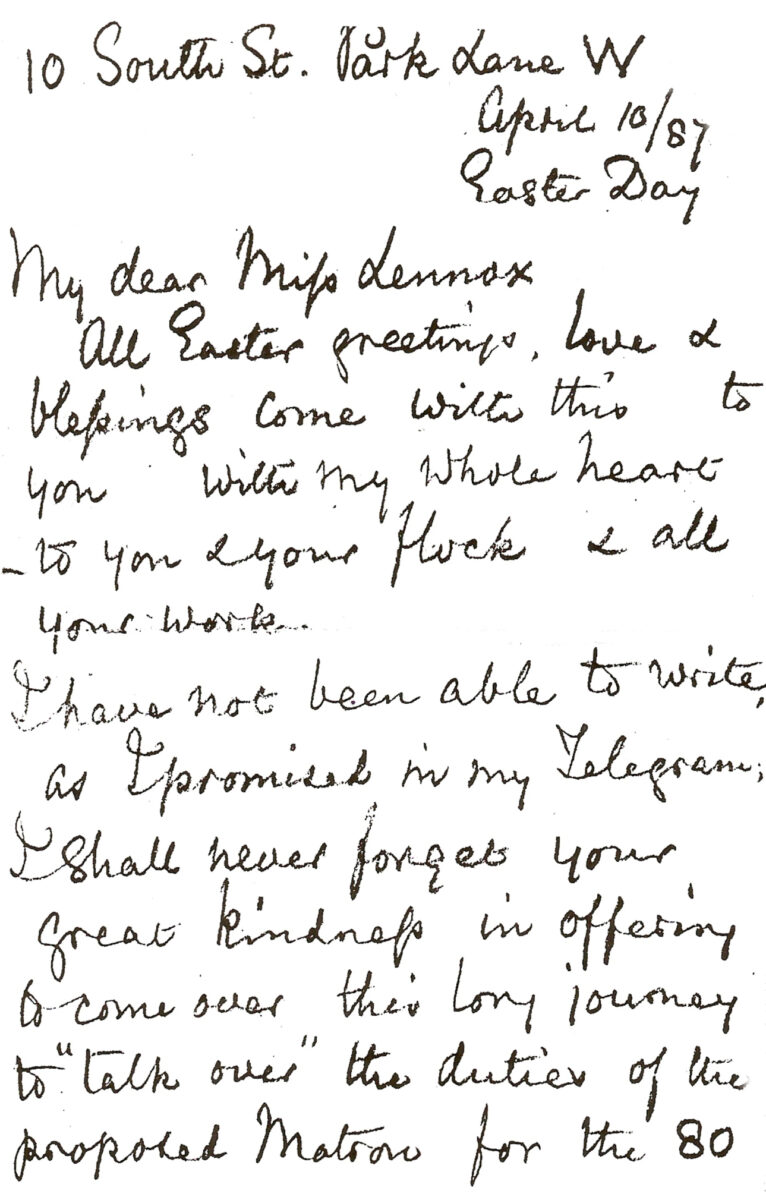
10th April 1887
Easter Day
My dear Miss Lennox,
All Easter greetings, love and blessings come with this to you. With my whole heart – to you and your flock and all your work.
I have not been able to write as I promised in my Telegram. I shall never forget your great kindness in offering to come over the long journey to ‘talk over’ the duties of the proposed Matron for the 80 boys under Military discipline.” But I could not accept it. Though I very much hope that sometime this year you may be coming over, and I may see you here.
The person, whoever it is, who must fulfil this office of Matron must be one to create her own office – the office of mother to all these boys – especially to the younger ones. Her most important ‘duties’ are first those which one can’t put on paper and present to the Committee. Yet these, the most important duties, can’t be fulfilled without her having a set of duties which bring her in contact with every boy every day. And these must be put on paper.
And she cannot be there at all unless we can put before the Committee (the Committee are of course all men) such a List of duties as they can understand – as they can see they require a Matron and not a Sergeant to fulfil them.
Is this not so?
It was to draw up such a set of duties and especially to ask what were the duties, the rules of work of that lady who was on board the Training Ship, that I begged your kind help.
{as in a Hospital, the most important part of a Matron is to mother and care for all the nurses, body and soul – but we must have on paper her daily duties – such as are approved by Treasurers and Governors.}
Do you know of any one who would be such a Matron to boys as you so truly describe?
Hoping that you will be so very good as to pardon haste and pencil.
May I ask the great kindness of you to send me such a list of Duties as one can place before a Committee of men? Or hints for them –
God bless you and your work.
Ever sincerely yours
Florence Nightingale
To all our nurses.
28th May 1900
My dear children,You have called me your Mother=Chief, it is an honour to me – and a great honour, to call you my children.
Always keep up the honour of this honourable profession. I thank you – may I say our Heavenly Father thanks you for what you do.
“Lift high the royal banner, it shall not suffer loss” – the royal banner of Nursing. It should gain through every one of you. It has gained through you immensely.
The old Romans were in some respects I think superior to us. But they had no idea of being good to the sick and weak. That comes in with Christianity. Christ was the author of our profession. We honour Christ when we are good nurses. We dishonour Him when we are bad or careless nurses. We dishonour Him when we do not do our best to relieve suffering – even in the meanest creature.
Kindness to sick man, woman and child came in with Christ. They used to be left on the banks of the great rivers to starve or drown themselves. Lepers were kept apart – the Nation did not try to try to avert or to cure leprosy. There have been lepers in England. Now it is a thing almost if not quite unknown.
There have been great, I may say, discoveries in Nursing.
A very remarkable Doctor, a great friend of mine, now dead, introduced new ideas about Consumption, which might then be called the curse of England. His own wife was what is called “consumptive” i.e. she had tubercules disease in her lungs. He said to her: “now you have to choose: either you must spend the next 6 months in your room, or you must garden every day.” (they had a wretched little garden at the end of a street.) “You must dig – get your feet wet every day.” She chose the latter, became the hardiest of women and lived to be old.
The change in the treatment of Pneumonia-disease of the lungs is complete. I myself saw a Doctor take up a child and sufferer, which seemed as if it could hardly breathe – carry it to the window, open the window at the top and hold it up there. The nurse positively yelled with horror. He only said: “When my Patient can breathe but little air, I like that little ‘good.” The child recovered and lived to old age.
Nursing is become a profession. Trained Nursing no longer an object but a fact.
But, oh, if home Nursing could become an every day fact here in this big city of London, the biggest in the world, in an island the smallest inhabited island in the world. But here in London in feeding – a most important branch of it. If you ask a mother who has perhaps brought you a sick child to “look at;” “What have you given it to eat?” she answers triumphantly. “O’ it has the same as we have” (!) Yes, often including the Gin. And a city where milk, and good milk, is easier to get than in the country. For all farmers send their milk to London or the great cities.
A sick child has been sent to Hospital (and recovered.) You ask what it had: “O’ they gave it nothing – nothing-” It is true they gave it nothing but milk. Milk is ‘nothing.’ Milk the most nourishing of all things. Sick men have recovered and lived upon milk.
“My soul doth magnify the Lord: and my spirit hath rejoiced in God my Saviour.”
The 19th Century (there was a tradition) was to be the century of Woman. How true that legendary prophecy has been! Woman was the home drudge, now she is the teacher. Let her not forfeit it by being arrogant – the “Equal with Men” She does not forfeit it by being the help “meet.”
Now, will you let me try to thank you. The words cannot express my thankfulness, for all your kind thoughts, for your beautiful Books and basket of flowers, and kind wishes all.
God bless you all and me your Mother Chief as you are good enough to call me.
My dear children,
Florence Nightingale
10 South street,
Park Lane. W.
26th July 1889
My dear Miss Lennox,
I have been thanking you in my heart for your charming present of a great white Sachet of Irish work. But I do not keep those sordid though necessary articles, nightgowns, in it. But I keep those Indian foolscap papers which I am obliged to have always at hand for reference, and they like their home very much , and it beautifies their ugly faces. I’ve been thanking you in my heart. I say all the time, but a great drive of business has prevented me putting my thanks to paper. I am so glad you are stronger, but I do hope you are very much better for Portrush. I was sorry you had to give up going to the Rhine.
I wish you could tell me better news of the mothering of the wee boys on board the training-ship. I wish you could get another lady in there for six months. I have had two letters from Miss Pirie since I heard from you, and she was good enough to send me the photograph of her probationers. I commend all you brave women to that Almighty love which is infinite. I shall be so glad to hear from you again. Please take care of yourself. We cannot spare you.
Was it you who told me of a Workhouse in Dublin where on half was under Roman Catholic Sisters and the other half under Anglican Sisters, but both sets under the Anglican Superior? Was it you, or was it Miss Pirie? Was it the Workhouse or was it the Workhouse Infirmary? I should be so glad to hear more of that if you will be so kind as to tell me. But do not trouble to enquire. I never heard of a similar case.
With very best love,
Ever yours sincerely.
F. Nightingale
Who are the ‘two Nightingales’ newly arrived in Belfast?
F.N.
10 South street,
Park Lane. W.
7th June 1896
My dear Miss Lennox,
I have never thanked you half enough for the lovely things you sent me from Scotland. I was so glad to see you.
The sequel to ‘Ministering Children’ shall be sent to you as soon as I know its right title.
But would you not like, (now, please God, that you are going to resume work,) some larger, some Medical book?
God speed you.
Yours sincerely.
F. Nightingale
28th January 1892
10 South Street,
Park Lane, W.
Dear Sister Lennox,
Thank you for your most kind note.
It is nearly 40 years since I have been able to make any difference in movements on account of ‘weather.’ And I have been back here a fortnight; but so overdone with work accumulated here and work following me from Claydon that I have been unable to find a moment. I should be so sorry to bring you back from Hastings.
I could find half an hour on Friday (tomorrow) at 6, if that would suit you – but am unwilling to cut short my pleasure.
Shall you be in London still on Tuesday? And could you come at 5?
God bless you,
Ever yours.
F. Nightingale.
27th December 1891
Claydon House,
Winslow,
Bucks.
My dear Sister Lennox,
I shall be glad to see you again. I am here on business, but I shall, please God, be at 10 South Street, Park Lane, W. all next month but the first few days –
Only give me good notice to 10 South Street, for I should be so sorry to miss you from previous engagements. We have much to talk about. I hope you are not over-fatiguing yourself now.
May all the highest Xmas blessings and New Year’s hopes, I should say expectations, from God’s love be yours, and thanks to you for your kind recollection of me.
I want to hear of Miss Pirrie. Will you give her my best love? And admiration of her work. I wish I had time to write.
I am so glad of the well earned tribute to you. God bless you. And he does bless you.
Ever yours affectionately,
F. Nightingale.
7th April 1892
10 South Street,
Private
Dear Sister Lennox,
Thank you for your 3 kind letters very much. I am so glad you have been enjoying yourself and I should so much have liked to see you again and hear about it all. But I have been very much overworked and can scarcely cope with my permanent work, and must not be pleasuring.
You are very good about the G.B.H. But I don’t see anything to be done at present. They have two new men at the head; and there will be a great improvement. But no new lines will be invented. There is a Matron, a very good one, over the Hospital – But there are hardly any patients – the boys are so healthy. And her jurisdiction is but slowly extended. They are taking a great deal more pains about the employment of the boys.
I write this because you kindly ask me.
I am afraid I must stop now. There will be plenty for you to do for ‘Humanity’ – fear not. And I hope I shall see you again when you come South again I trust.
Excuse pencil.
God bless you. And he will bless you.
Ever your loving.
F.N.
23rd May 1889
10 South Street,
Park Lane, W.
Private
My dear Sister Lennox,
You rote to me on April 9th ‘asking me,’ ‘if’ you are ‘too old for any Military Hospital where experience would be of value – not a big work, but something that you would have strength to do well.’ x x x
Believe me, I did not neglect that note. But there was no hurry, for S.G. Mackinnon though gazetted, was not then appointed, that is, had not then entered on his duties – and in the meantime I made enquiries.
I am afraid there would be sufficient answer to your application, if you made one, for the reason you give and that you would not be admitted. And if there is any doubt as to this, that you would not get such a post as you mention or superintendence. They would not give such to those coming in from without. (But I have had no communication with Dr Mackinnon on the subject.)
You have always my very best wishes. I trust you are not always overworked.
I am so glad, dearest Miss Lennox, that you are going to the Rhine with Sister Strong. For I hope it will not be only interesting but refreshing – You do not tell me how your health is – and whether it recovered as much as your friends do earnestly hope during your former absence. I am afraid ladies in Belfast take a great deal out of you.
Your letters are like ‘Manna’ to me. I do so love to hear of Miss Pirrie too and of your boys from the ship. I think their stay with you must be so valuable to their spirits. Do they get any ‘mothering’ at the ship? I am afraid, in some of the Training ships, the great power allowed to Carpenters and Warrant Officers is so bad for the boys who dare not complain and who perhaps ought not to complain. But very seldom do Commanding Officers know how that power is exercised. And the want of motherly influence besides!
Success to you always. Love to Miss Pirrie and success to her – always. God bless you both. And he will bless you.
Ever yours affectionately,
F. Nightingale.
10 South Street,
Park Lane. W.
25th January 1889
Dictated.
My very dear Miss Lennox,
You must not think that your very kind and most interesting letters have not been a joy and a pleasure to me, and that I am not very grateful to you, because I have not written.
I am very glad to hear of Miss Pirie at the Union Infirmary. She always strikes me as the bravest woman I know, and I am so glad they have raised her salary. I must write to her as soon as I can. But you do not tell me anything about your own health, I see you are carrying on the Children’s Hospital as before. And I want to hear so much of your sick boys from the Training-ship; whether they come in to you in a better state, especially of spirits, than they used to do, and whether they have more motherly care on board the ship. I used to think it was hardly fair upon you to send them in in such a depressed state. Have they a lady on board the Training-ship now?
With regard to our Gordon Boys’ Matron – I think she is doing very well and likes the boys and has great influence with them. They come to her in their own little troubles and sometimes bring a boy in for her to look at. A boy who pretended to be dumb was brought in to live with her, and in a week she had quite overcome his obstinancy, or bad spirits, or whatever it was, and he spoke, though slowly, just like a Christian – but when his father first brought him (his father was a cabman) he said “Please Sir, he can talk fast enough, if he wants to slang his mother.”
You say you pray for her, I am so thankful to you for your interest in her. I think she has very up-hill work out of her little Hospital, because somehow it never gets arranged for her to supervise the kitchen and the serving of the meals – or to have much to do with the boys out of hospital, but I hope all that will come in time. I have just given her a clock which the boys call “little Big Ben” and declare that its voice resembles ‘Big Ben.’ What you say about miss Pirie’s clock reminded me of this. Indeed I should like to see Miss Pirie and her nurses and probationers and her quarters.
I was very sorry to hear that the Harvington Union failed in making a proper use of your nurse.
I hope that the building of your new Convalescent Home will prosper and proceed. But above all mind you tell me, please, about your children in Hospital.
For
Dear Miss Lennox
With every best New Year’s wish for herself and her charges for 1887
And a packet of cards
For the little ones
Twelfth Night
F.N.
5th January 1887
10 South Street,
Park Lane. W.
5th April 1887
My dear Miss Lennox,
Many thanks for all the kind notices of your remembrance and your friendship and your work which reach me from time to time. Success to your work always.
Do you remember telling me of the boys from the Training-Ship who used to come into your Hospital in such depressed and evil care that they seemed as if they could not get well. And that a lady was admitted to live on board the training-ship for 6 months with the boys as a kind of Matron. And the sort of resuscitation she effected among the boys, giving them life and spirits and energy.
Could you be so very kind as to ascertain and tell me what the duties of that Matron were? You will guess that I am very anxious to introduce such a Matron, to about 80 boys in an Industrial Boys Home under military discipline – boys from about 11 to 18 years of age – to live in a barrack hut in the country. But I shall be asked at once: What are the specific duties of a Matron in such cases – that the Sergeants don’t do? And it is rather hard to answer. It will not be as Nurse to a Hospital, but rather to prevent the boys having to go into Hospital; to look after them, and mother them.
If you could kindly send me an answer within a week, it would be doubling your kindness.
I do not expect that we should succeed in getting a lady.
What was the remuneration of that lady you mentioned to me? but above all what were her routine duties?
Just believe me –
Yours sincerely,
F. Nightingale.
Dr Lilias MacLay,
Duchal,
Kilmalcolm,
Renfrewshire.
Posted in Edinburgh in 1917
71 Comiston Road,
Morningside,
Edinburgh.
21st — 1917.
Dear Miss MacLay,
Please will you accept the enclosed from me. These letters we used to get every year. This one was written when Miss Florence Nightingale was quite an old lady, when her hand was not as very steady in writing – in the early years it was much stronger. The Arable board ‘Talisman’ came to my mind in sending this to you, and have at near that old country. All the letters of my beloved Chief I have kept as very precious things, heirlooms, another milestone on lifes journey – and why I should keep them locked up. Her body is at rest but her work is very much with us at present. You are one she would have been proud of I know.
I forgot to thank Lady MacLay for another copy of the S. all have gone to the overseas children. Dr Kitchen is to sail for India next month, but not Mrs kitchen at present.
How much I wish you all blessing, courage and —– greetings.
Jessie Lennox
Large print (personal comment: was she blind?)
10 South Street,
Park Lane. W.
11th April 1887
My dear Miss Lennox,
Very many thanks for your kind letter. I am afraid I must have been very far from explicit in my questions: for the ‘Matron’ is not to be a ‘Trained Nurse,’ nor a nurse at all – but a matron in the sense that each ‘house’ at say Rugby School has a Matron i.e. for the ‘well’ boys.
In the poor Boys Home for which I am trying to arrange, there will be ultimately perhaps 500 boys and there is a Hospital Hut in the plan – which will have atrained nurse – if the number fills up.
But what we want now is to devise such a List of duties for a woman as to obtain one for us for each 80 ‘well’ boys under ‘military discipline;’ which means that the Committee will be too apt to say: “Oh the Sergeant will do this or that.” And this made me ask you to be kind enough to tell us what Miss Collins did aboard the Training-ship? But I am afraid from your account she was a nurse.
But had she no charge of the under clothing? Or —–? Or the cleanliness of the boys? That is what we proposed to ask for:
A woman (call her Matron or otherwise) who should have such charge of under clothing and of cleanliness of the boys and of their little ailments (so as to prevent the necessity of their going into Hospital.
And of —- What?
And of —- What?
That we could present a list of duties for ‘well’ boys, especially the juniors, that would make a Man-Committee feel themselves warranted in granting us a woman Matron. We could not put, for instance, though it would be a first object with us, of course, as a duty to elevate the tone of the boys.
As one of the List of duties, for a Man-Committee to judge the boys are not all soldier-boys, many are waifs and strays – and all are to be brought up to various trades. But all are to be under military discipline. This, though good, is a difficulty, because the man-Committee does not seem to think a woman has any business in the barrack huts at all. Each barrack hut holds 80 boys and a sergeant. And we should only apply for a matron for one 80 at first.
I should like the Matron, if we get her, to have tea or breakfast with the boys, by way of bringing them all in contact with her every day. But even this I do not expect to obtain. Infact, I do not expect get her at all. And I shall certainly not, if I am not prepared with a list of duties, (intelligible to men, chiefly Generals and Officers) which have nothing to do with Hospital Patients, who will have a nurse of their own, when they exist.
Forgive my troubling you – if you could help me in this, I should be truly obliged.
Forgive me for having been so little explicit. Given now I fear I am not intelligible. But I am rather knocked up.
All Easter Blessings be yours,
Ever yours sincerely.
F. Nightingale
The boys are from 14 to 18 years. You see the Matron could not look after the cooking. But she might have some ‘say’ in the ‘diet’ for sickly boys. ??